Cessation of egg production as of July 2020
Customer information Task Egg production Download file
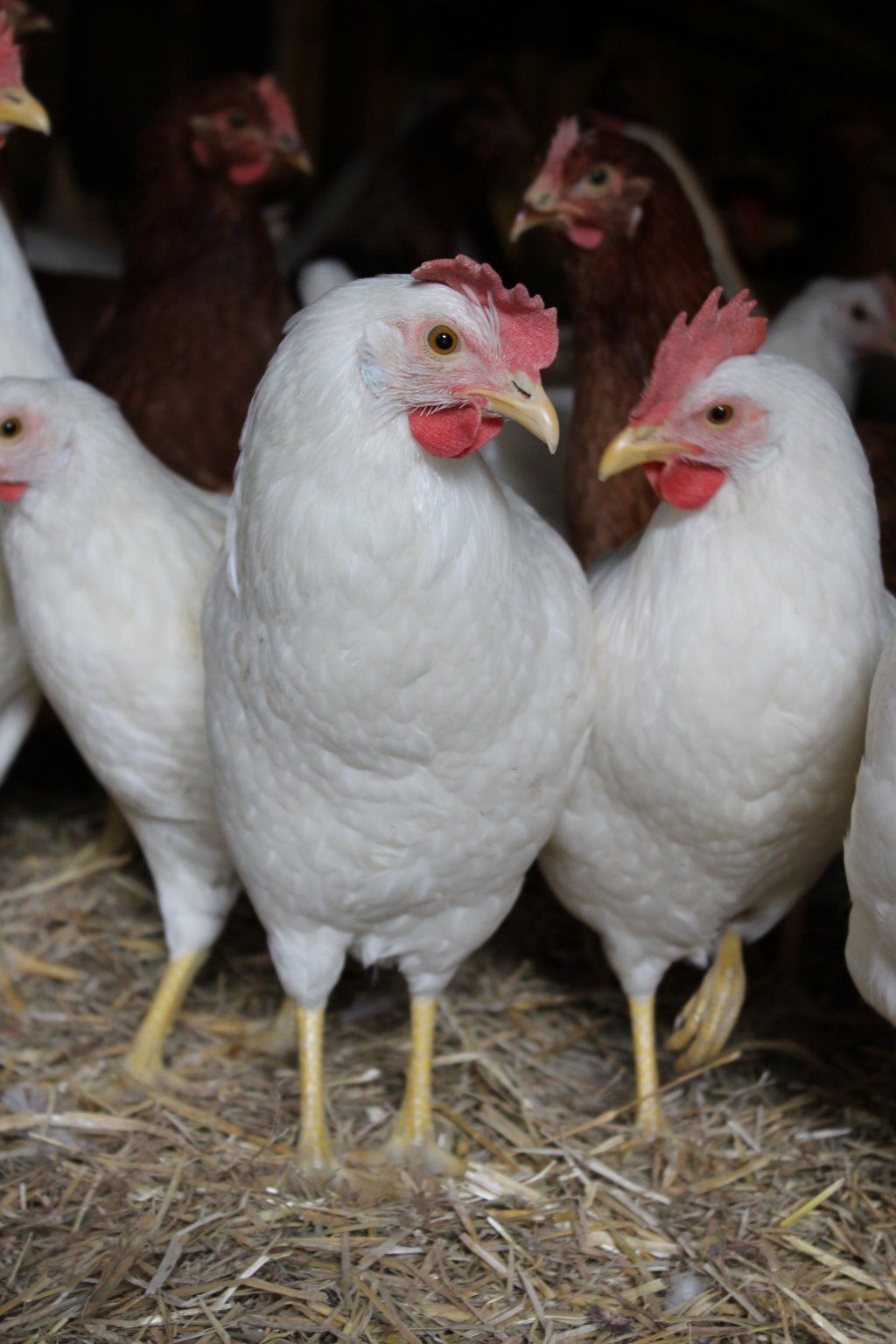
We have 350 laying hens on our farm.
We would like to show you here how the hens are kept, which values we uphold and why eggs from our farm are something special!
First, some general information about our stance:
Feeding
We use a soy-free feed meal with added EM (in the barn) and a soy-free grain mix (scattered in the bad-weather paddock) from the Lehmann feed mill. This mill only processes organic products!
www.biomuehle.ch
In addition, the hens have free access to pure shell grit to strengthen the eggshells. A special feature is...
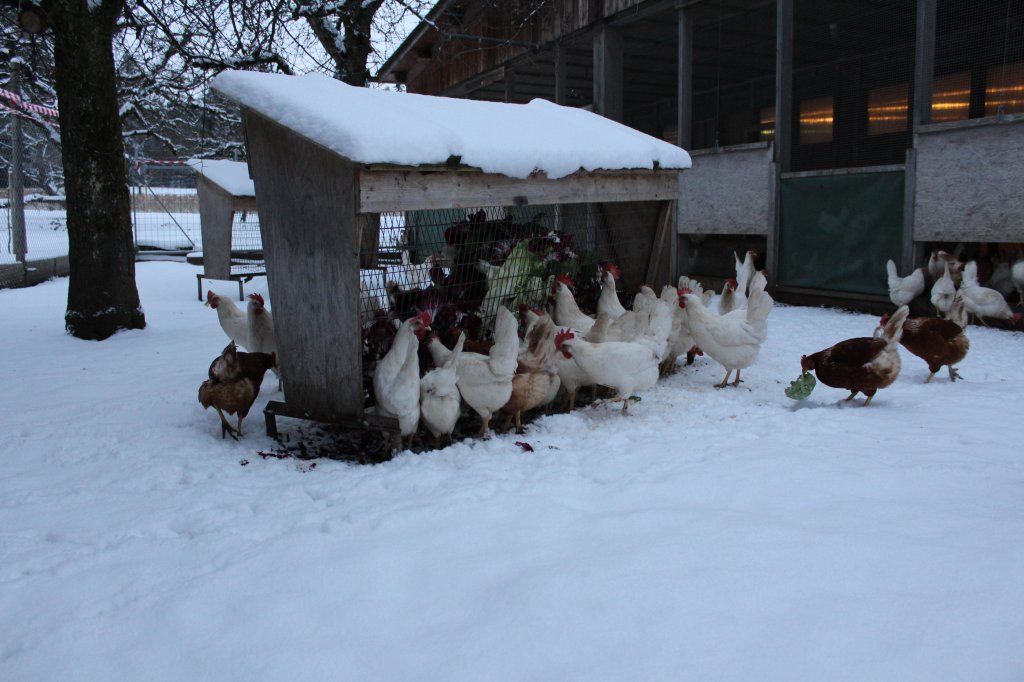
We feed clean "kitchen scraps" such as salads etc. daily. This promotes activity, protects the pasture and, especially in winter, ensures beautifully colored yolks due to the beta-carotene contained in the green fodder.
Origin
Our young hens have come from the same breeding farm for years!
We maintain a friendly partnership with the Hofmann family in Richigen.
Brother roosters
Did you know that in egg production, every male chick is culled, gassed, and shredded on its first day of life? We no longer want to be responsible for this! Now, the male chicks from our hens are raised and fattened by the company Gallina in Malans (www.gallina.bio). This way, they at least find a responsible use!
Download Brother Rooster Info File
ethics
We see our laying hen husbandry as purely a service for our customers.
You should be able to consume eggs with a clear conscience - because we could never trade in eggs due to our ethical responsibility towards the animal!
However, at the end of every animal husbandry process, further use is also required.
We explicitly distance ourselves from the gassing of animals in barns and their processing in biogas plants. Instead, for years now, the animals have been slaughtered at the Kopp butcher shop in Heimisbach after a one-year period of use. www.koppsmetzg.ch
This meat is available frozen from August onwards in our organic farm shop.
Not a pleasant job, but a sensible one in the interest of responsible customers!
Likewise, we see the already strict Bio-Suisse standards as merely a minimum requirement and are thinking even further ahead in this regard...
...by the way:
According to Bio-Suisse guidelines, our barn could even house 470 animals, while conventionally it's already over 850!
"As a consumer, you can contribute to animal welfare and think about it next time you shop - it's worth it!"
Quality, therefore, lies not only in the product, but also in the system behind it..."
Bernhard Hänni
In a place where they've been thinking ahead to organic farming for 50 years...
Our barn system - 4 areas for happy chickens
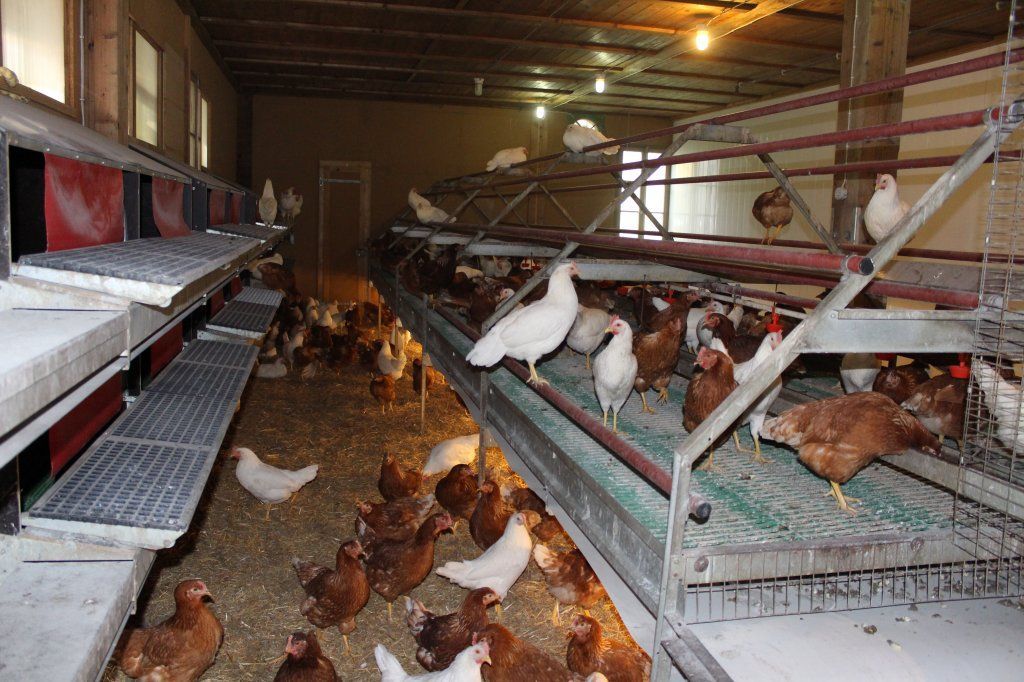
1: The actual stable
Here, the animals find their food and water on the raised grate. Below this is the inaccessible manure belt. This prevents excessive soiling of the bedding on the floor. The perches, which the animals use as sleeping places, and the laying nests are also located here.
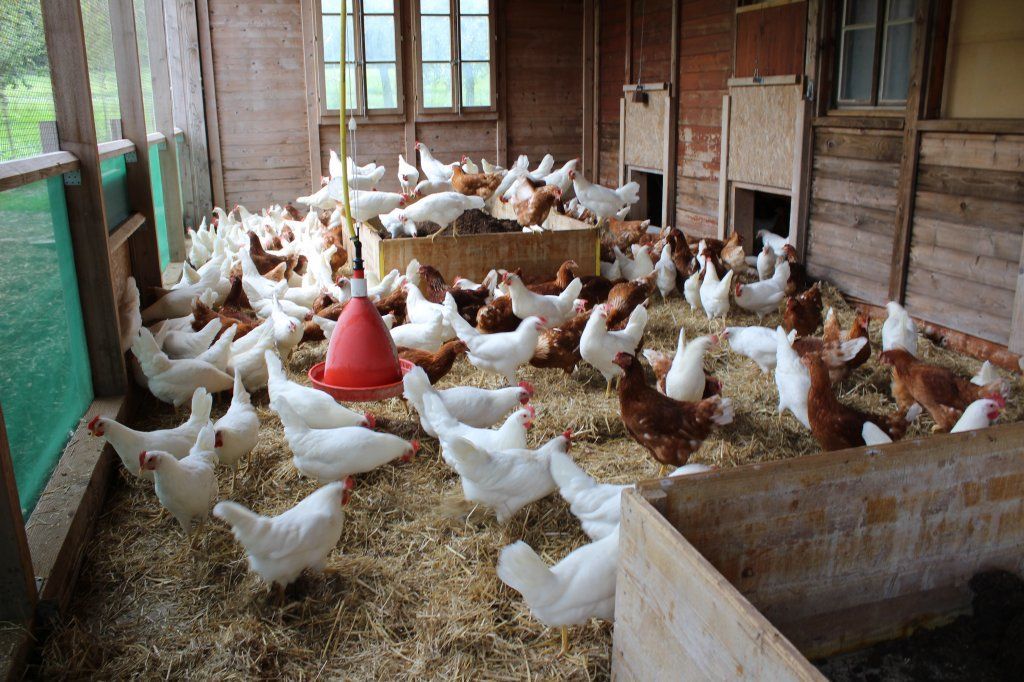
2: The conservatory
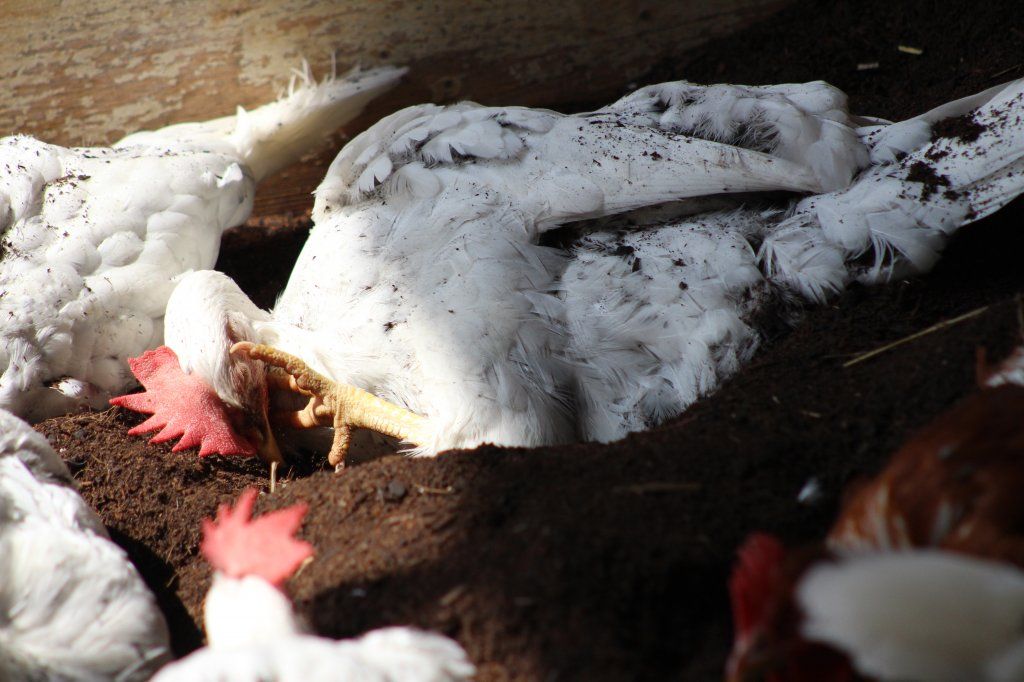
This area is always accessible to the hens during the day. It offers plenty of fresh air, sufficient bedding, dust baths for maintaining their plumage, and of course, free access to clean water.
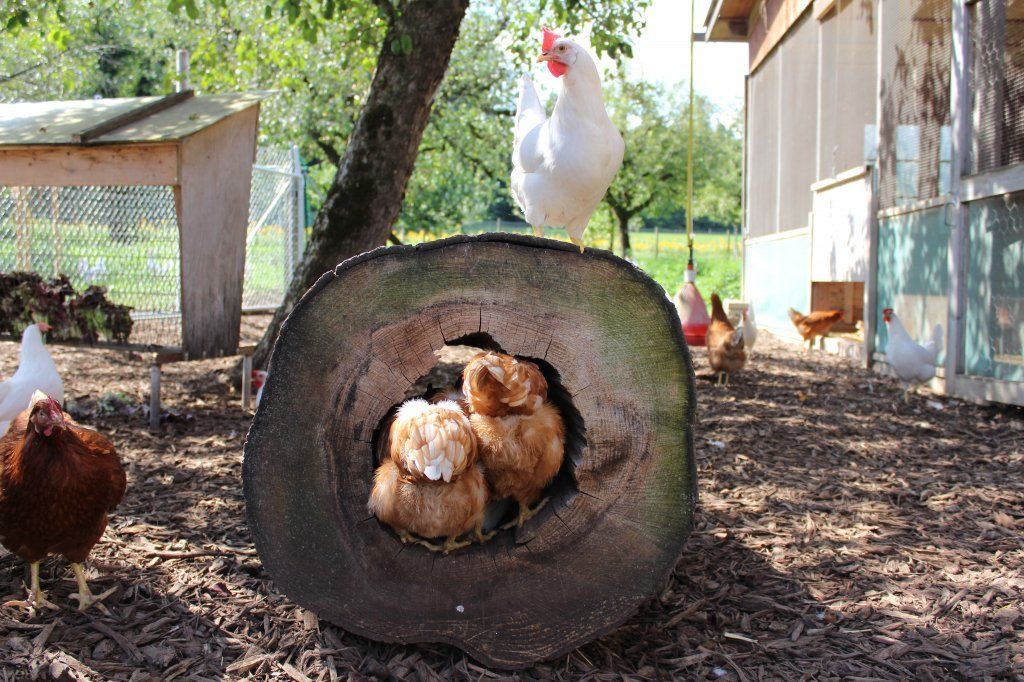
3: The bad weather run
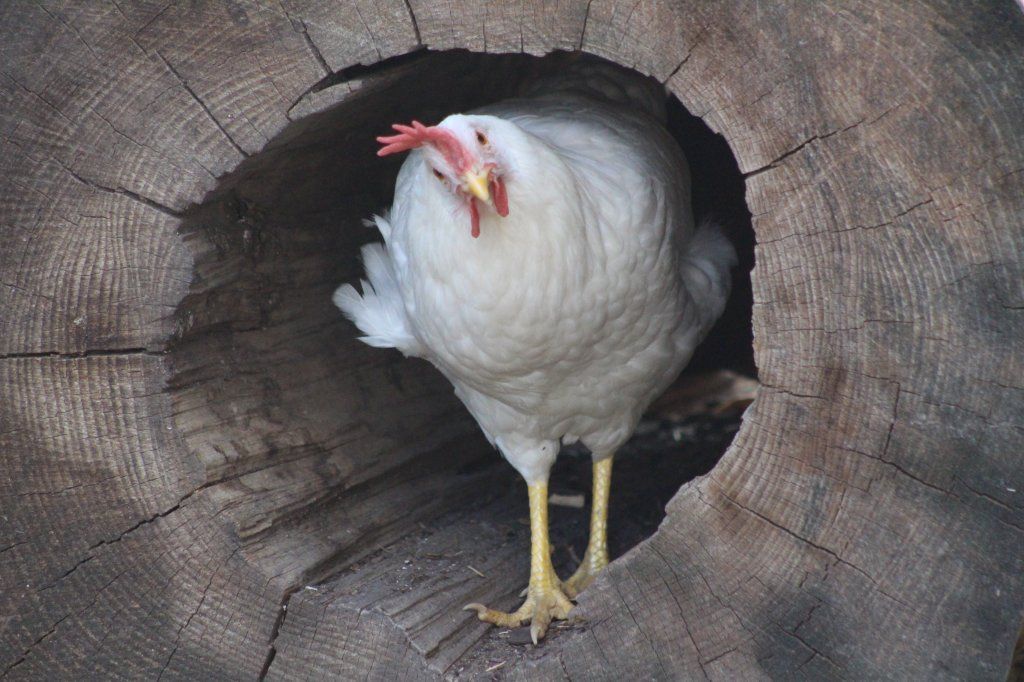
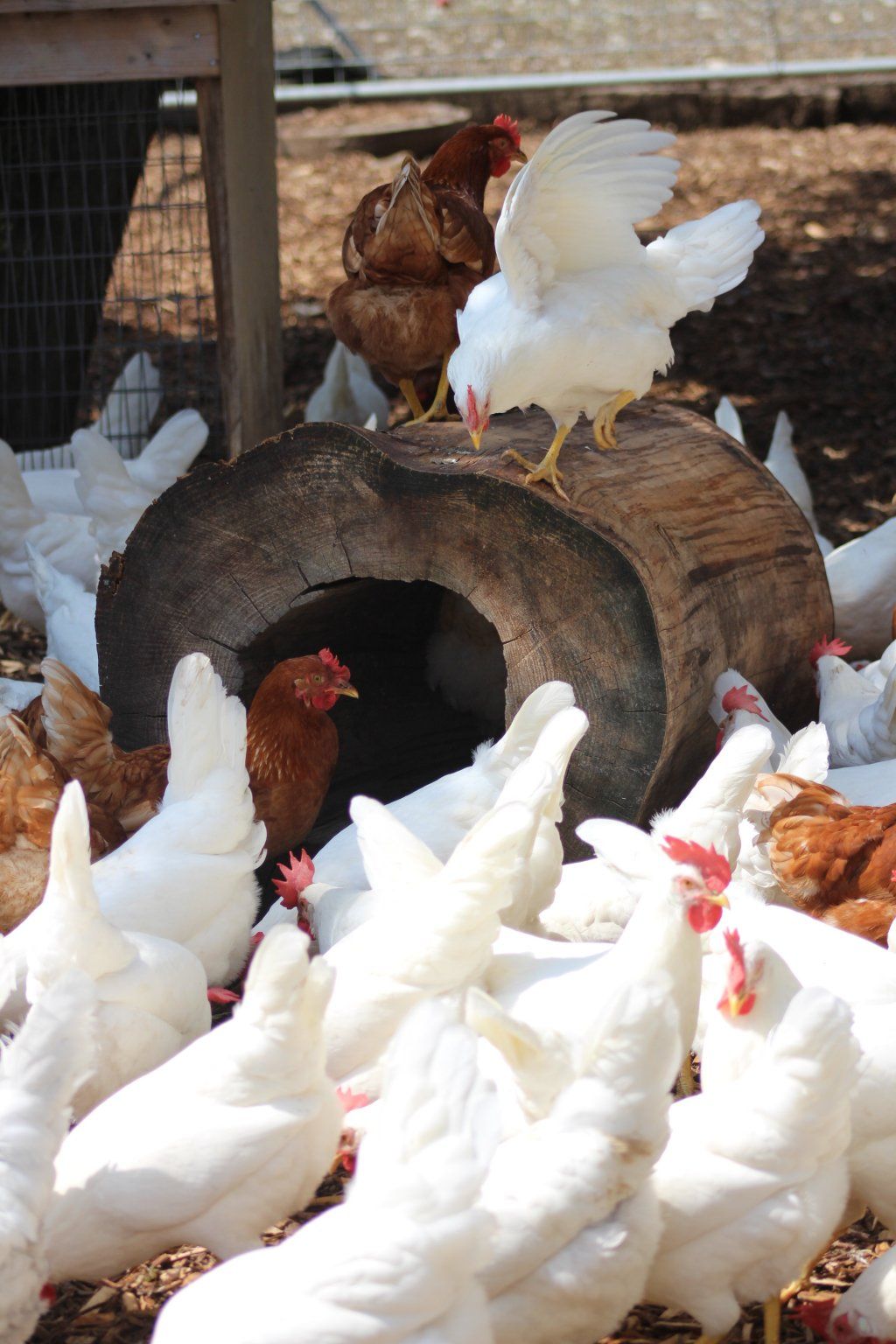
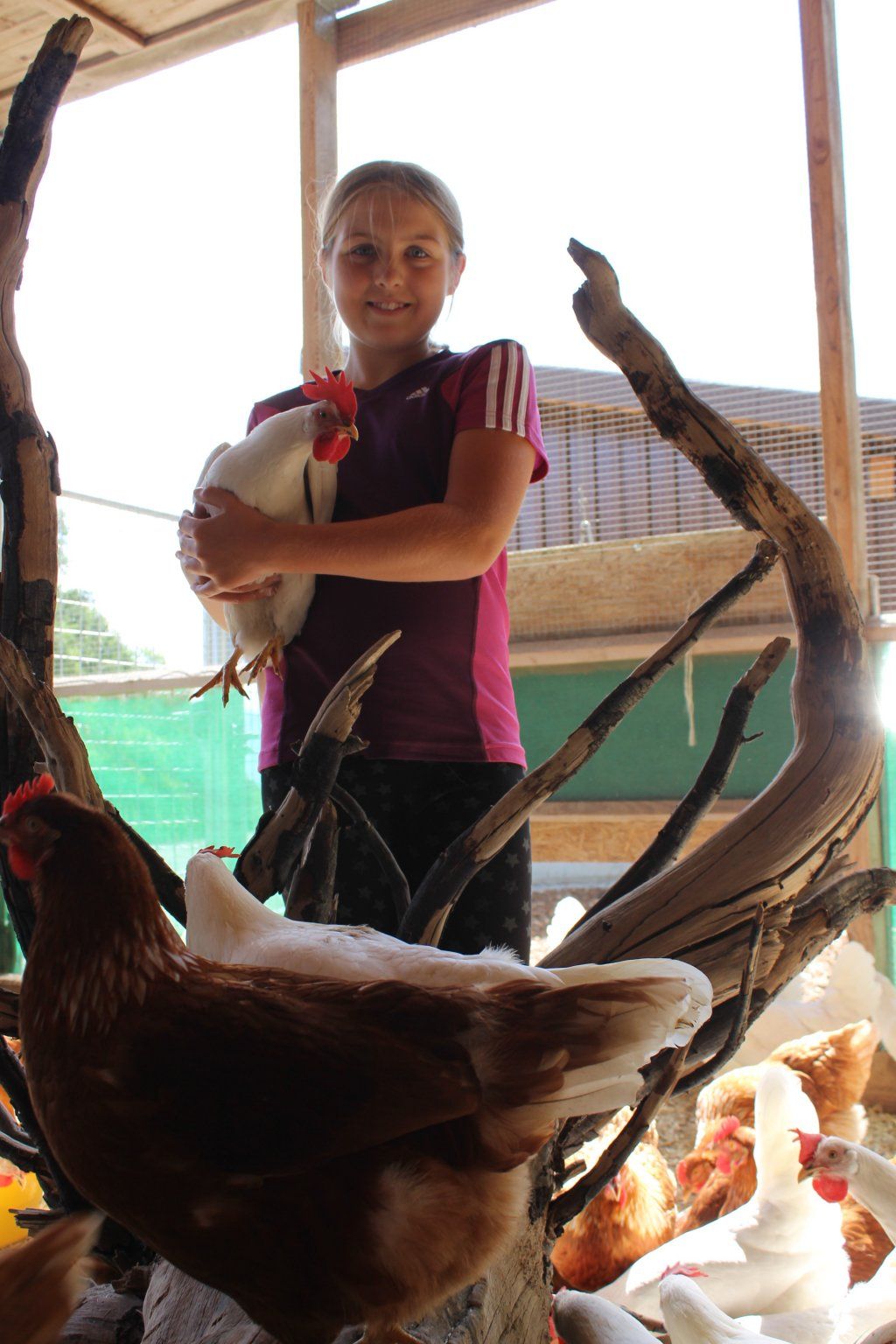
This outdoor run is available to the hens daily. It includes a scratching area covered in wood chips, play equipment such as hollow logs, and hay racks. Our hens are given fresh chicken scraps here. This provides enrichment, protects the pasture in bad weather, and is very popular.
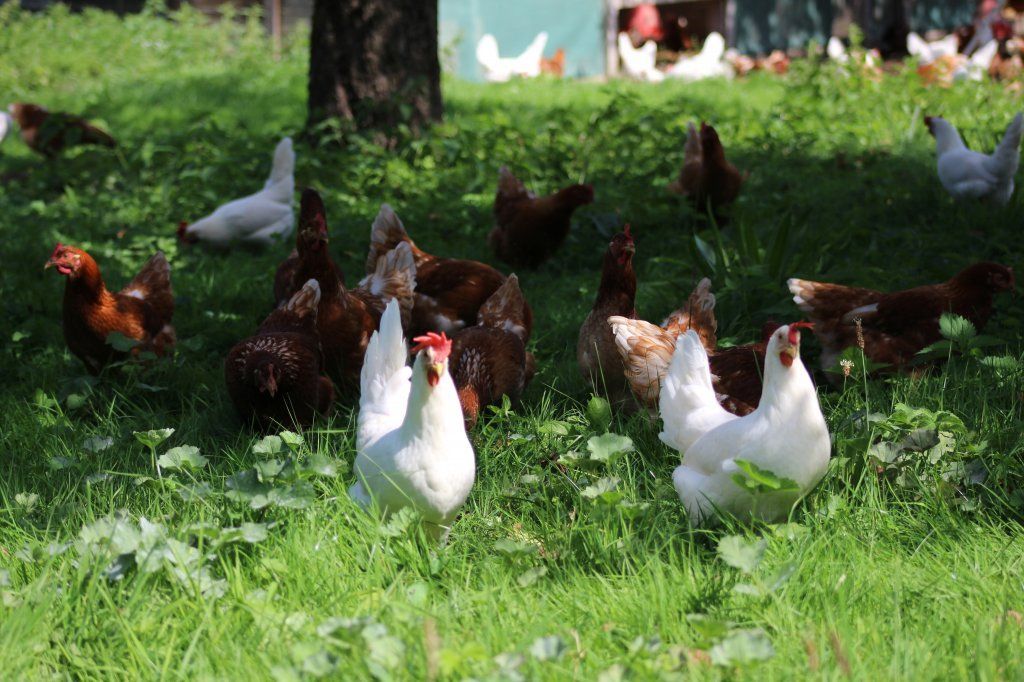
4: The Pasture
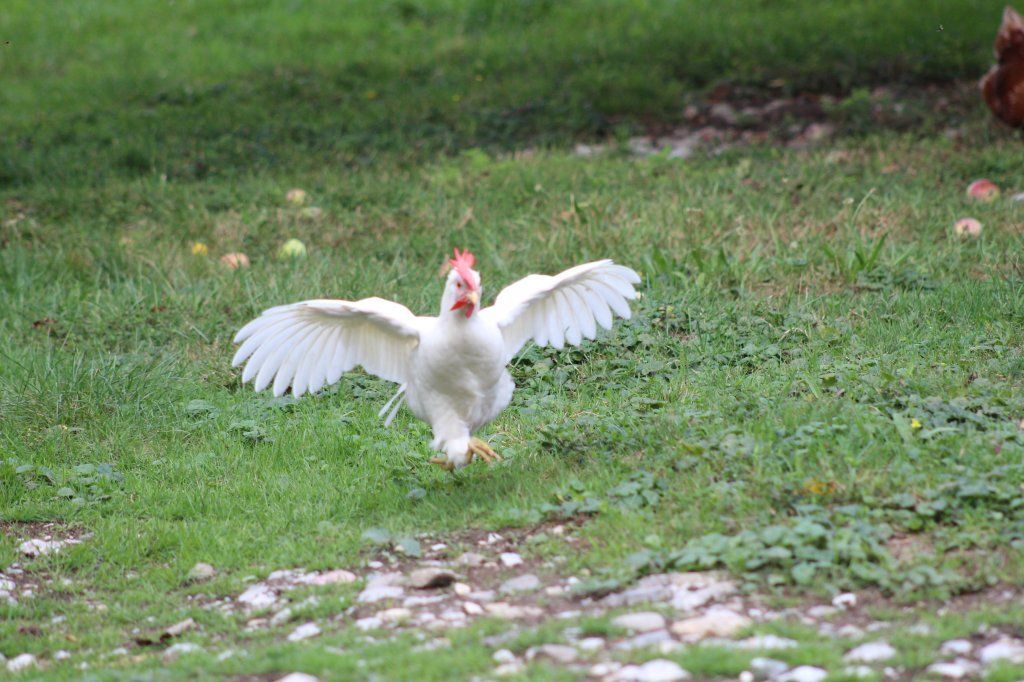
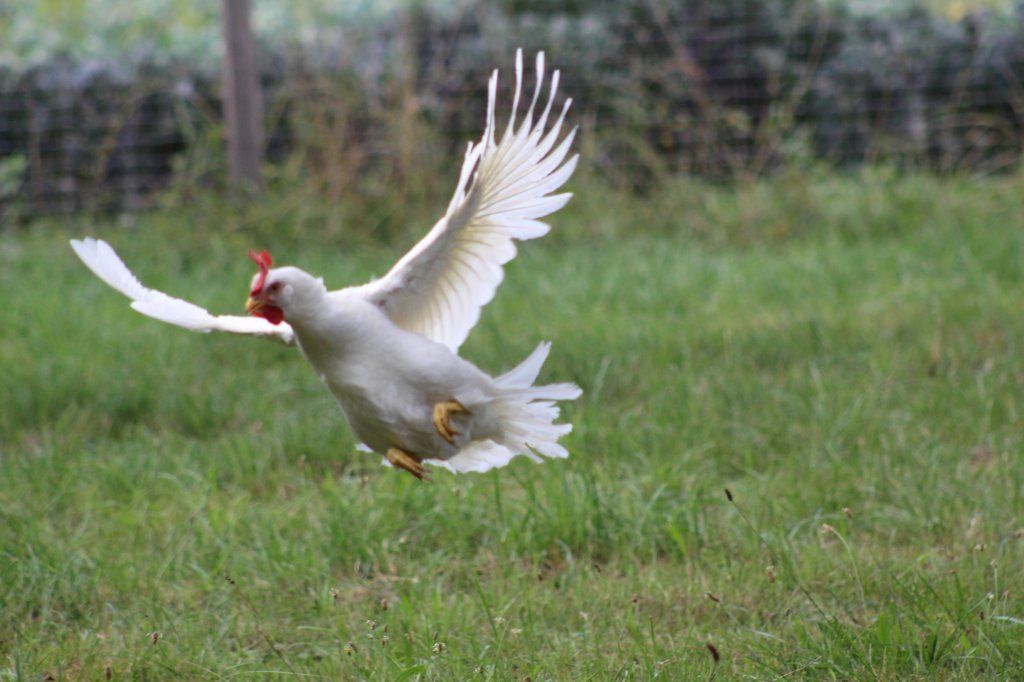
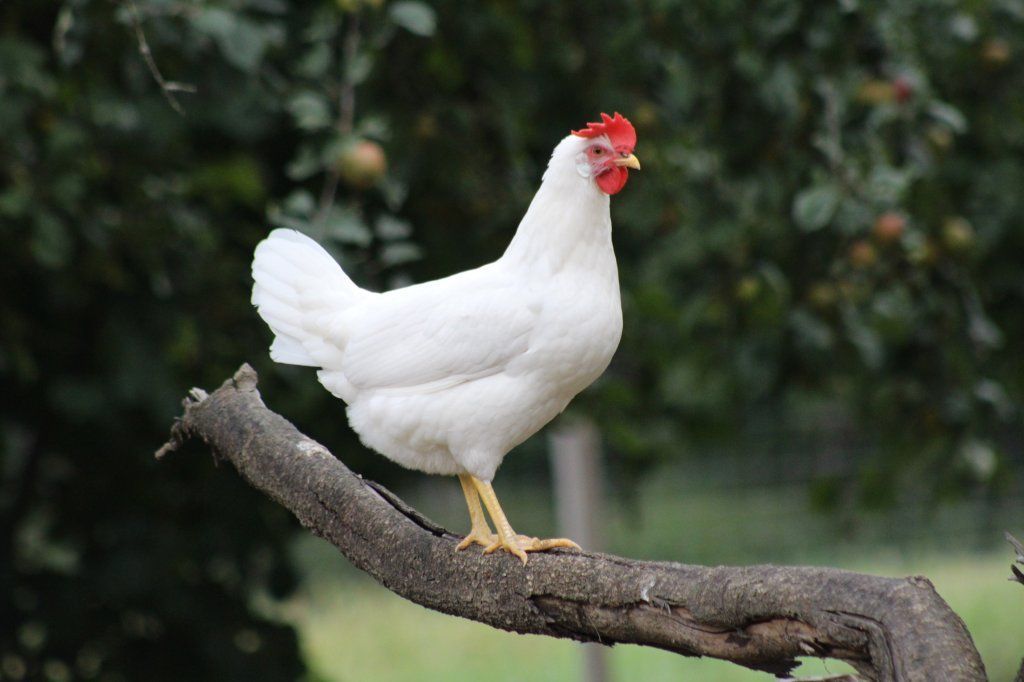
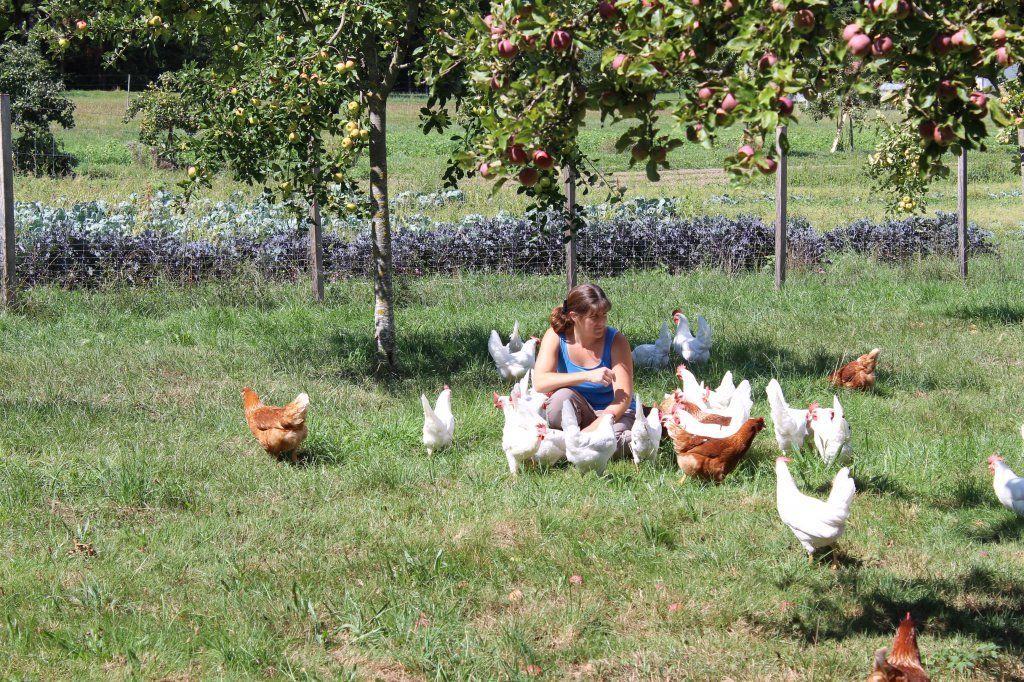
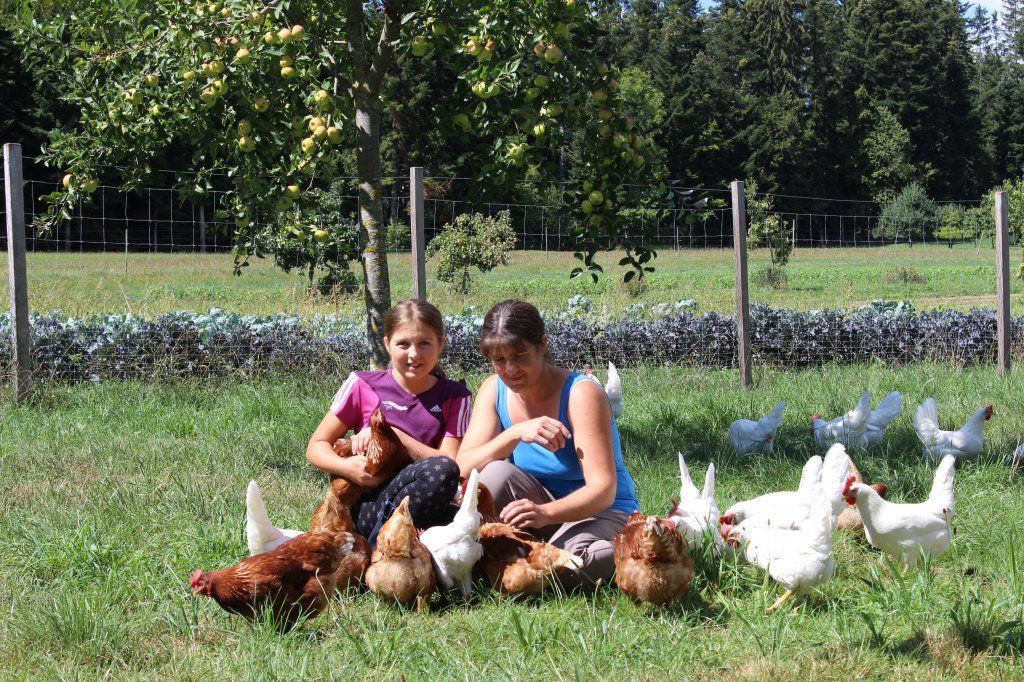
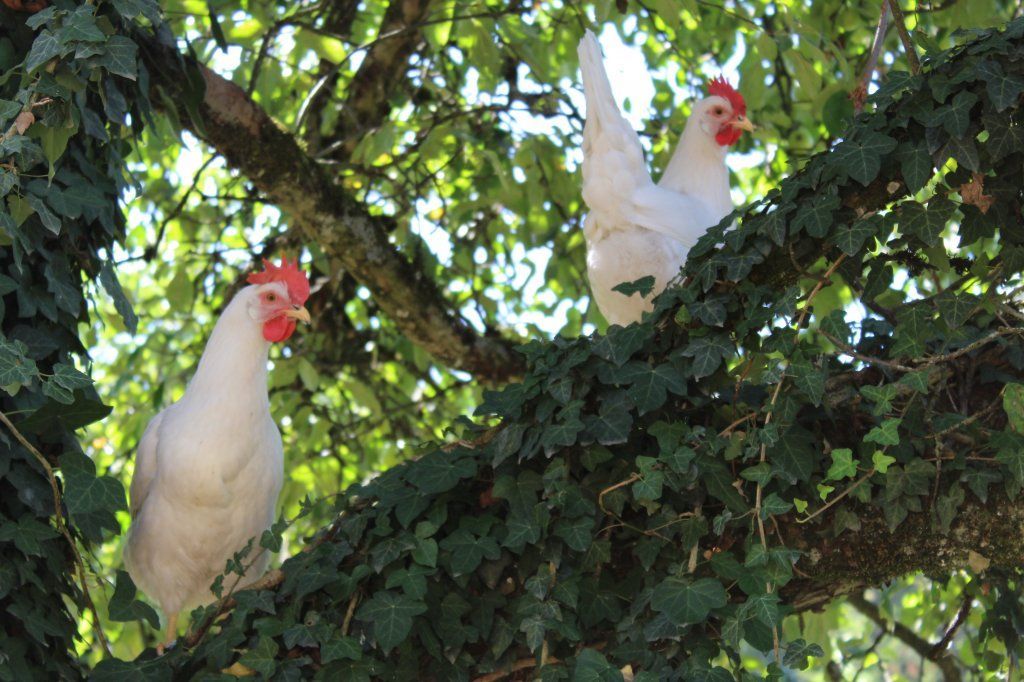
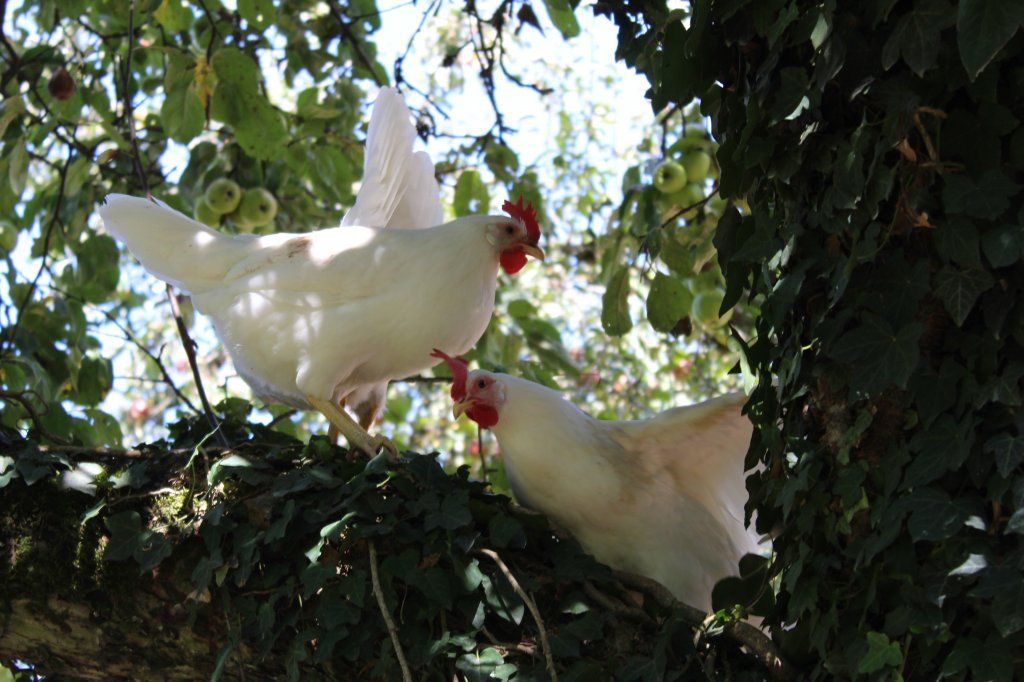
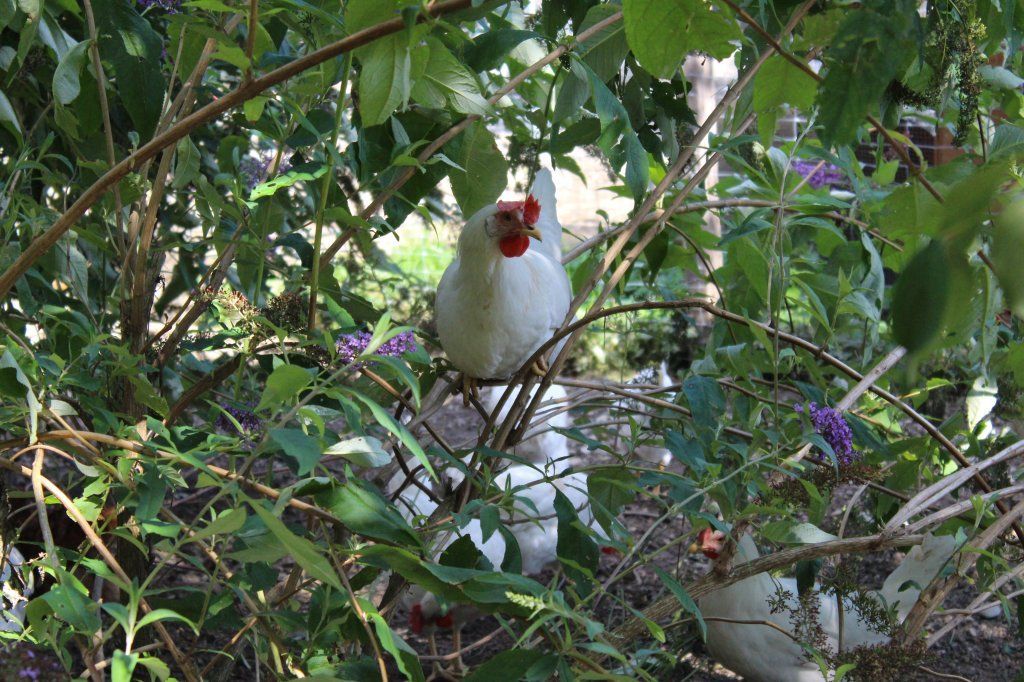
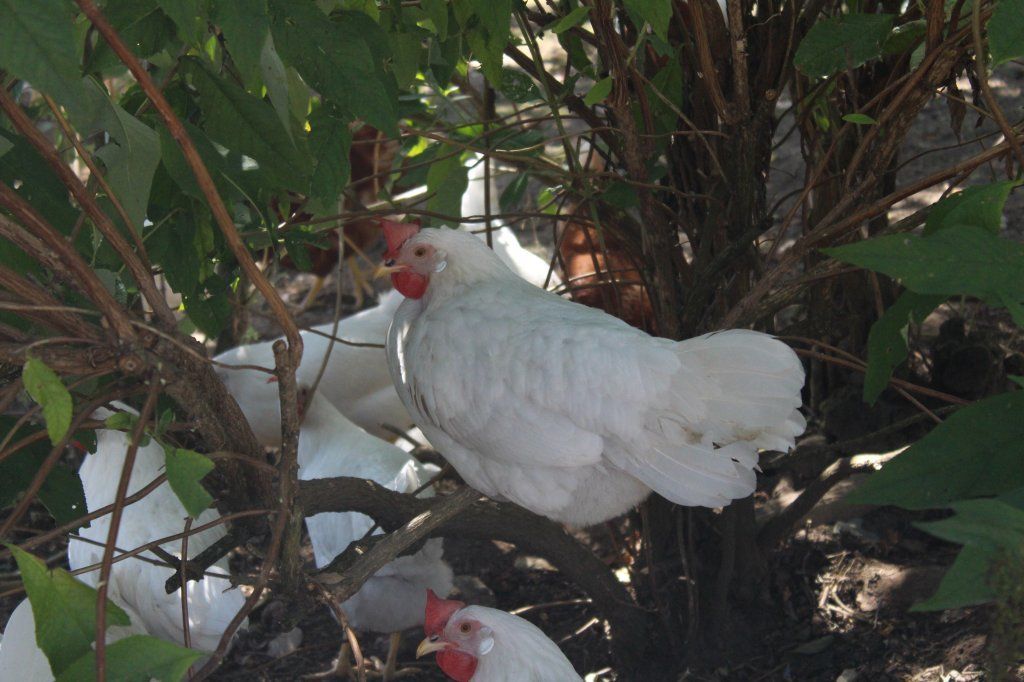
On this spacious pasture, the hens find ample grass, bushes, and mature trees that provide natural protection from birds of prey. A sturdy fence also protects them from foxes. The hens are allowed to enjoy their daily outdoor access here as well. The only exceptions are during extreme rain or sometimes in winter when there is heavy snow.