


When everything on the farm is spinning in circles - then things are really going well!
The heart of our farm is undoubtedly the composting facility. On our livestock-free farm, it ensures the microbial digestion of organic "waste" and in turn supplies the crops with essential nutrients, helping to improve the quality of the soil.
We started composting with the "controlled composting" system, which involved turning the compost heaps (piles) daily using machinery. However, this process is very labor-intensive and costly. Furthermore, most of the important nutrients (especially nitrogen) are simply consumed (literally burned off) and are no longer available to the crops. After many years of observing and optimizing the processes, we developed the system described here:
The process of fermentation
All organic waste is fermented with microbes (EM) in the absence of air.
This is similar to making sauerkraut.
Nutrients such as nitrogen and a strong probiotic population are built up, while putrefaction, as an aerobic process, is prevented. The wide variety of microbial strains used guarantees high activity and subsequent soil improvement.
The mechanical requirements for this system are minimal!
We don't think much of the NPK fertilization principles, as they only reflect a purely material-based approach.
However, we think in terms of the big picture. In the entire organism of the company, and also of the soil and the cosmos, without losing sight of the details.
We use plant-based preparations to improve compost.
As in biodynamic agriculture, we produce our own preparations from selected plants. With one major difference:
We do not pack the specimens in "animal casings" (cow horns, deer bladders, pet skulls, etc.)!
This is to avoid having the negative reverberating energies in our compost and also to meet the operating philosophy of the vegetarian fertilizer cycle and the demands of vegetarian/vegan customers.
The preparations are used in steps 1 and 3 and help to transfer the information to the compost that makes the nutrients available, builds and revitalizes the soil, promotes communication between plant roots and the soil organism, and many other things...
"Our farm uses only vegan fertilizers. You can rely on that!"
Bernhard Hänni
Nothing in nature is useless. Thus, the cycle on the farm closes again and again.
What cannot be used otherwise is composted, fertilizes plants and revitalizes soils, gives rise to new life, is fermented again, etc...
Completely without food waste!
"Shouldn't green waste be described as green gold?"
My mentor asked me this question in my very first year of agricultural apprenticeship! And YES, it should be done!
Benefit from our expertise!
We are happy to advise farmers or commercial green waste processors on fermentative composting.
Request a free, no-obligation quote!
As a reference, we can cite a large, industrial biomass center in the region (biogas production and the manufacture of agricultural compost as well as high-quality compost for horticulture and nurseries).
Raw material: Green gold
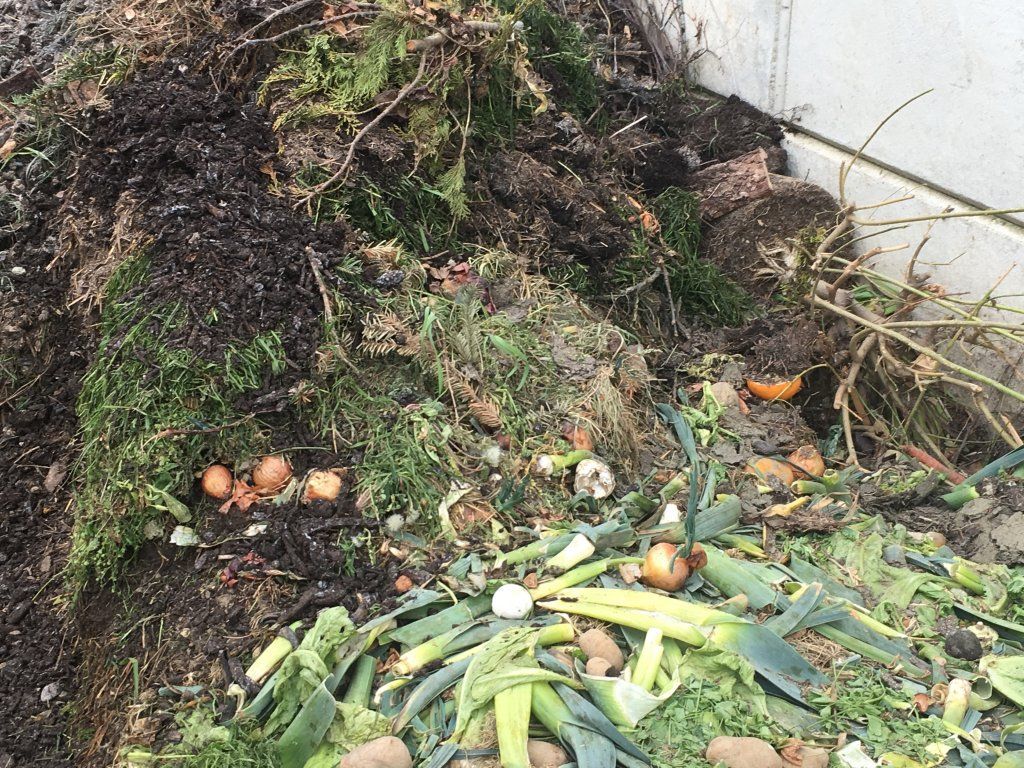
We collect everything that is compostable: grass, plant remains, kitchen scraps, and much more! Just no components from slaughterhouses or animal waste...
Step 1: Mixing
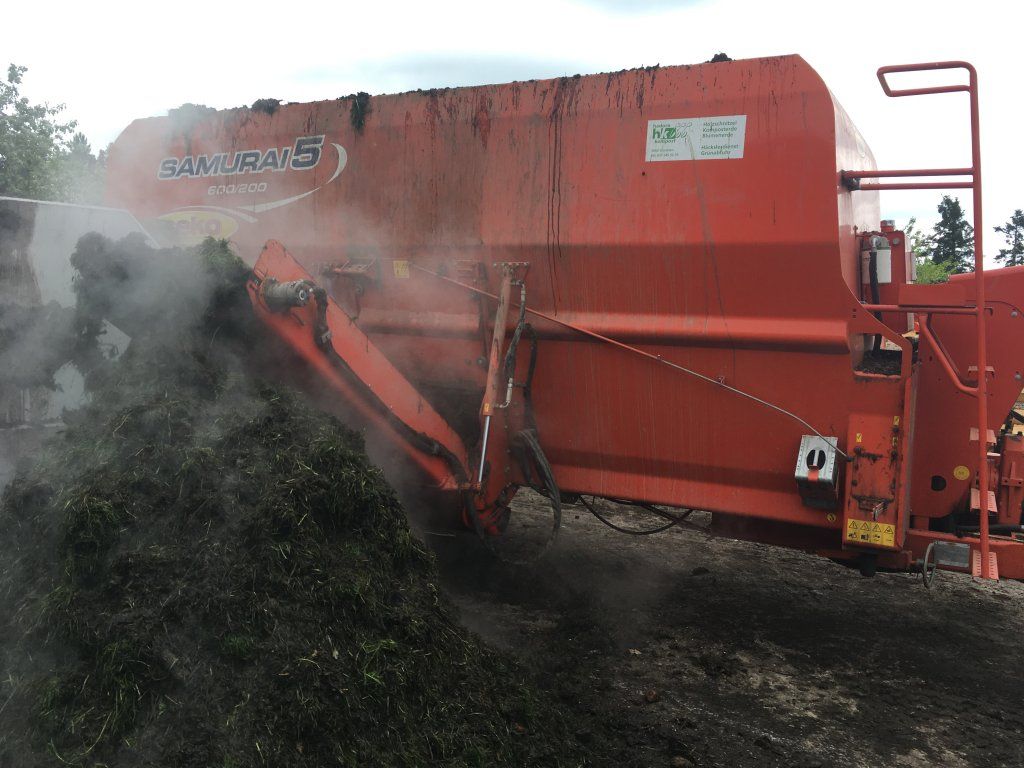
The organic materials are regularly mixed in a mixer truck by the Hadorn Kompost Gurzelen contracting company. Effective microorganisms (EM) and some rock dust are also added.
Step 2: Fermentation
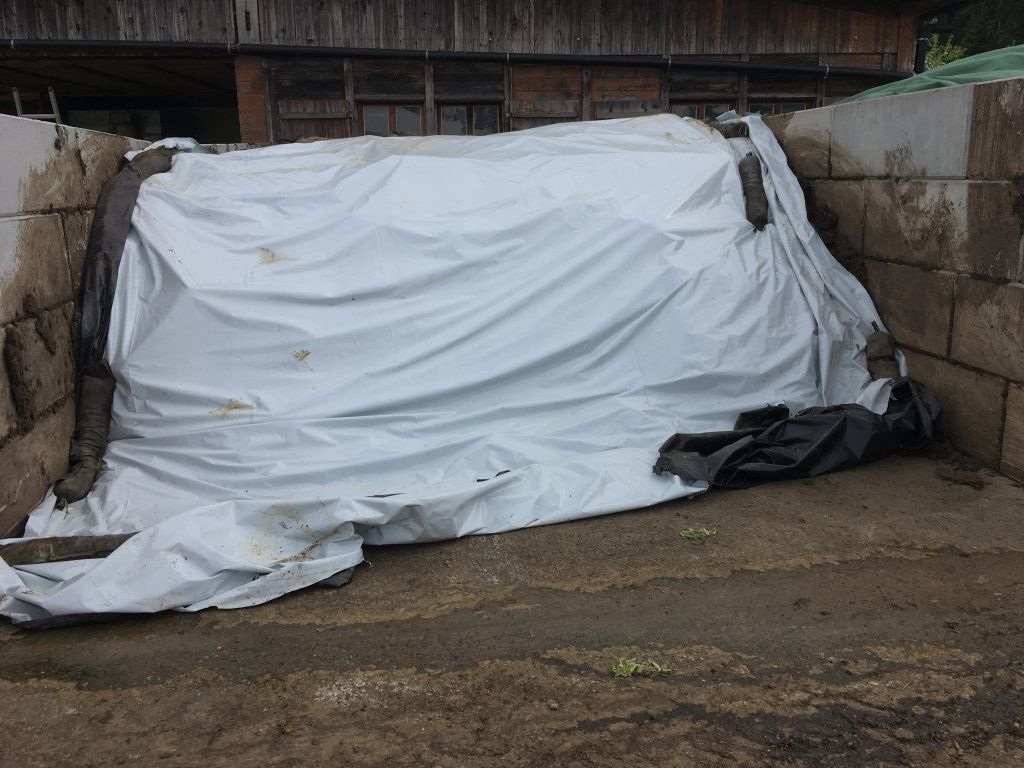
Now the microbes need some time to do their work. After at least 6-8 weeks in the absence of air, the fermentation is complete. The product is now very acidic. (Among "EM" practitioners, this compost is described as Bokashi and could already be used.)
Step 3: Microbial carbonization
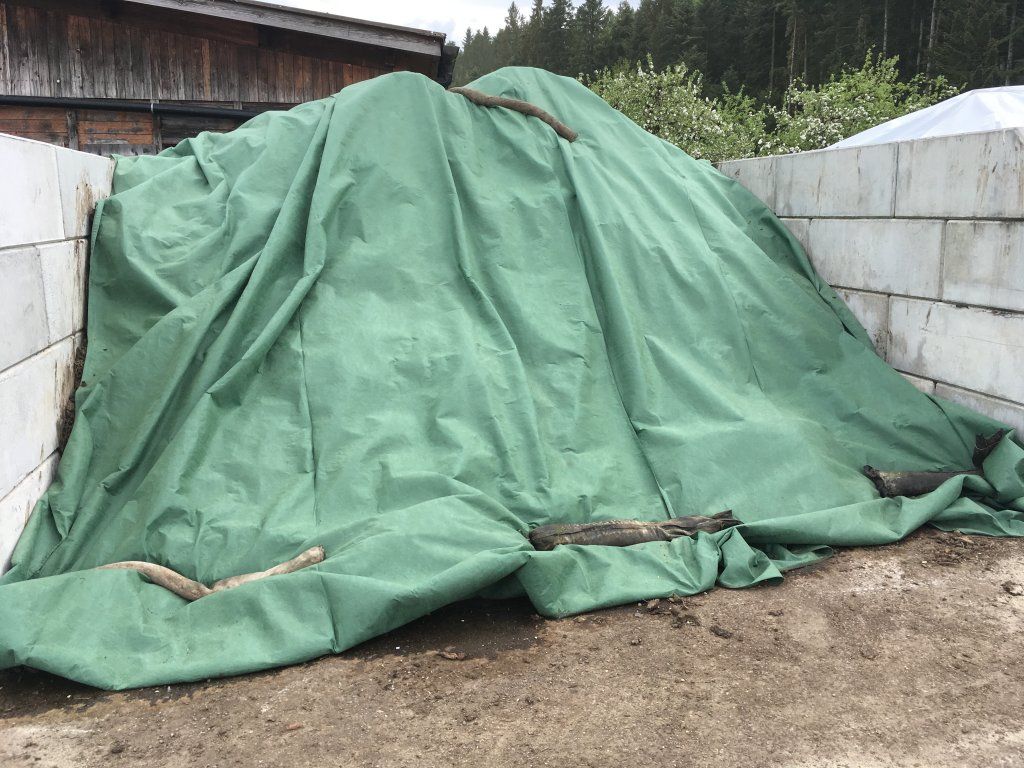
After fermentation, the material is transferred to the next box and briefly aerated. Then something amazing happens:
A process begins that we can describe as microbial carbonization. The microbes stabilize the material and transform it into a kind of "humus precursor." It is no longer acidic and resembles Terra Preta black earth, but without the need to add biochar. We allow this process at least six months. After all, good things take time!
Step 4: Installation in the ground
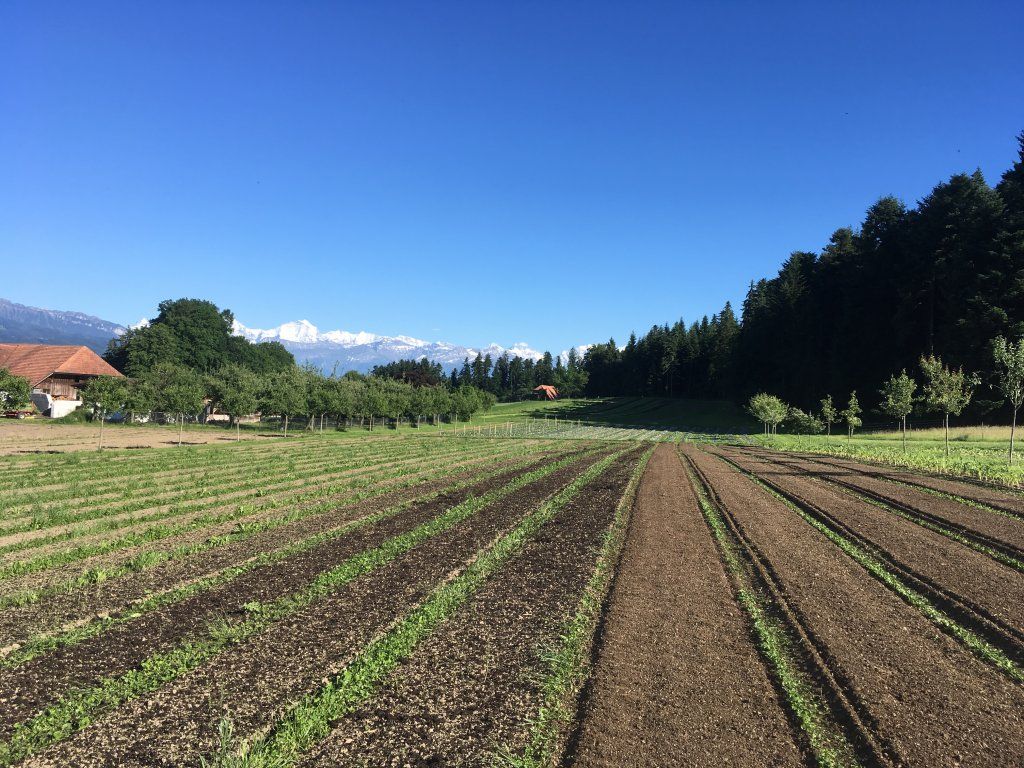
Now the high-quality compost can be used.
We usually apply compost to heavy-feeding crops before planting. Immediately after application, the compost is worked into the planting bed (to a maximum depth of 8 cm!). This allows the material and the microbes it contains to optimally enrich the soil life and become integrated into the soil. A true soil revitalizer and improver!
Conclusion:
In our view, this is the most sustainable form of soil revitalization and also the gentlest on our waterways! Nutrient leaching and depletion of soil fauna are impossible! And it's enjoyable!