


"If you, as a farmer, get on the tractor, you should consider whether the work is really necessary or whether you'll cause more damage to the soil... Most of the time you'd have to get off again."
Bernhard Hänni
Foreword:
Today's "modern" agriculture, with its enormous consumption of raw materials, resources, agrochemicals, and the resulting highly questionable quality of products, will force humanity to rethink its approach...
Our cultivation system is therefore based on the only functioning system: nature. Nevertheless, we cannot simply live in the "jungle" in this day and age. Thus, we have developed our cultivation methods over many years and are strongly oriented towards the needs and requirements of nature, but also towards economic and ethical objectives.
If one were to give this cultivation system a name, one would end up with an endless list of related details...
In short: We combine permaculture, regenerative agriculture, food production, nature and water conservation, organic farming, economic viability, and healthy food, and... there it is again, the list :-)
"Regenerative farming methods serve to regenerate the soil and the ecosystem. The goal, however, must be to move from regeneration to generation! Our soils should continue to regenerate (build up) themselves! We will have achieved this soon..."
Bernhard Hänni September 22
The Geohobel serves as the central machine in our cultivation system, enabling minimal, no-till soil cultivation.
This machine allows the soil to be worked with absolute precision at a depth of just a few centimeters.
Only the construction of this special machine enabled us to implement the attachment system described below in practice.
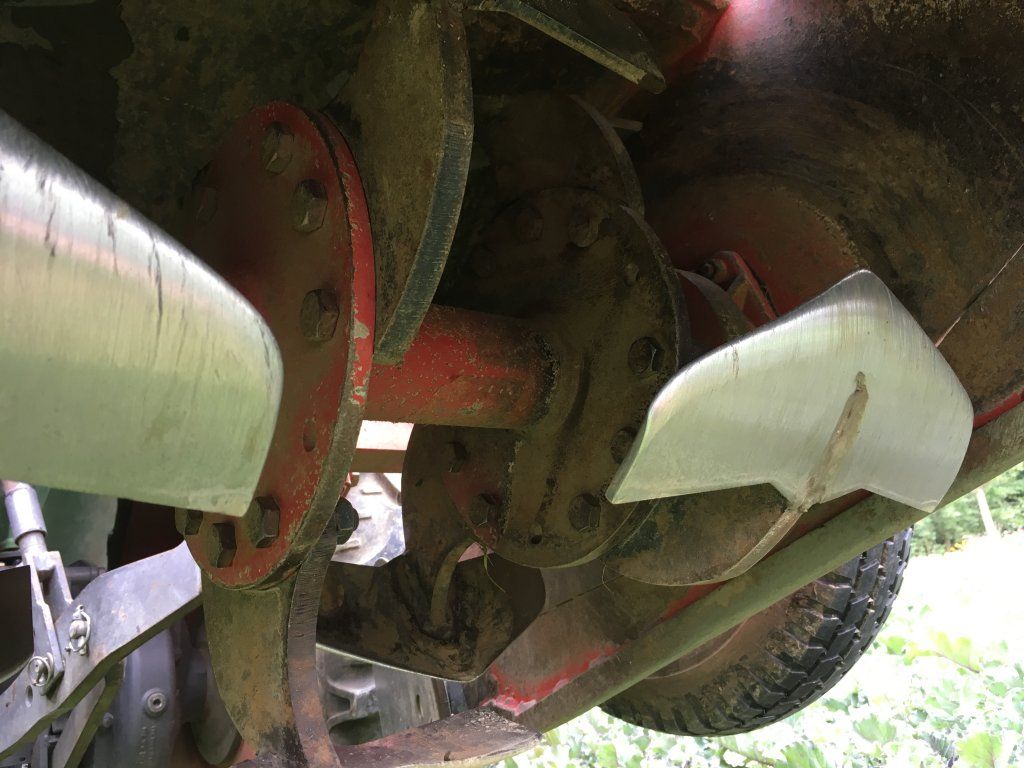
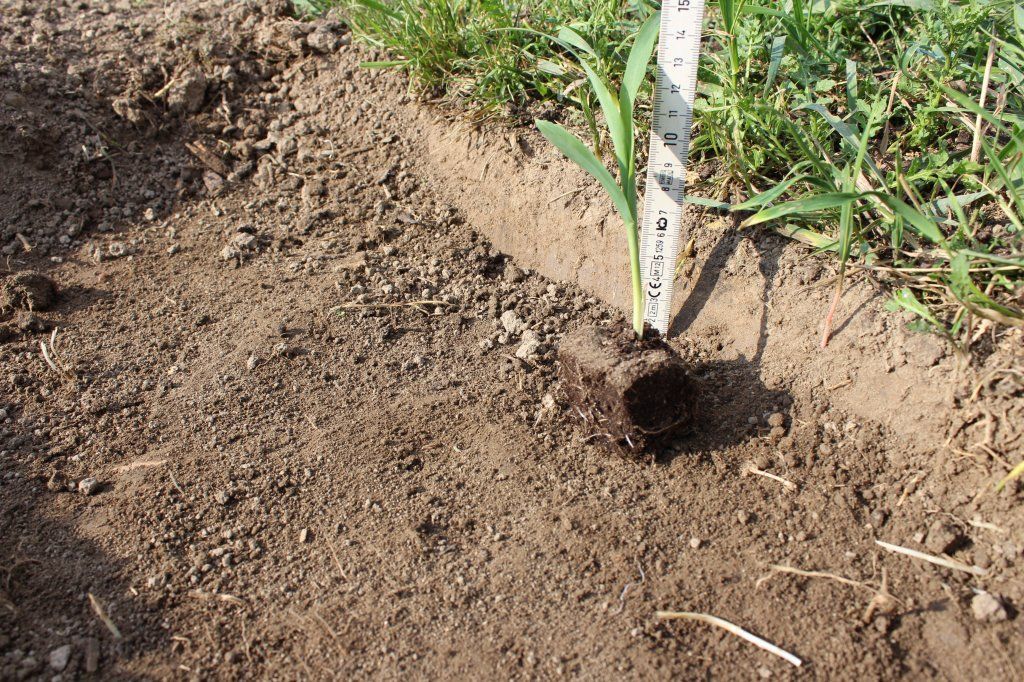
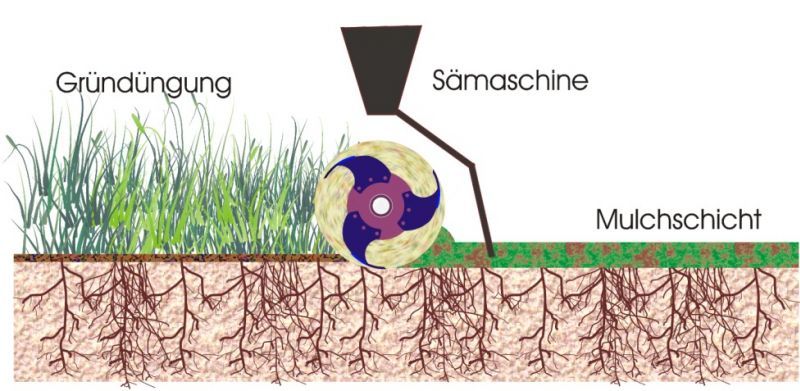
Working scheme of the geohobel.
With kind permission of: Michael Rath, Rath Maschinen, Maria-Rojach, Austria
www.rath-maschinen.com
Report on the Geohobel and our cultivation system in Landwirt bio (German-speaking Europe) Download file
Some pictures from our cultivation:
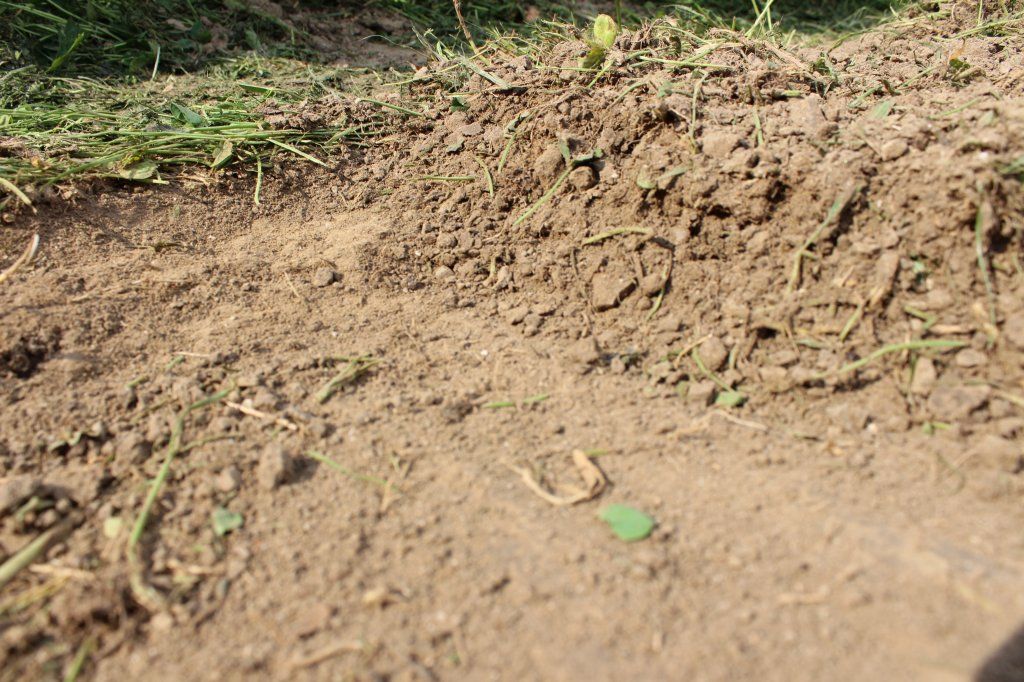
Work result of the geohobel
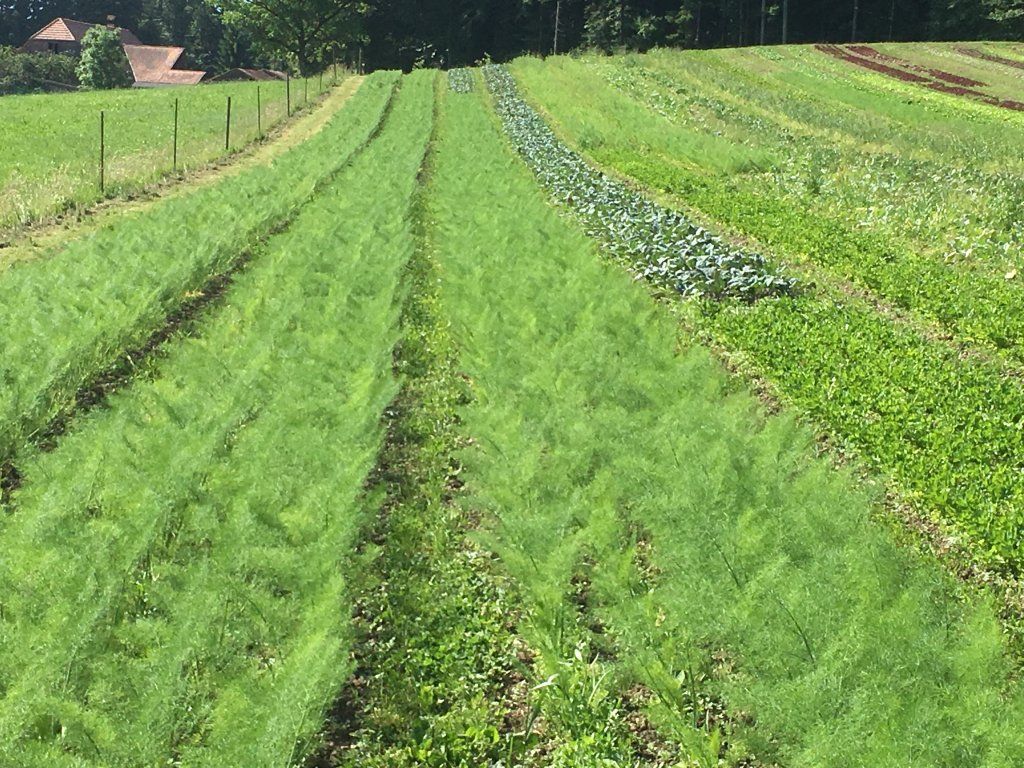
Healthy cultures
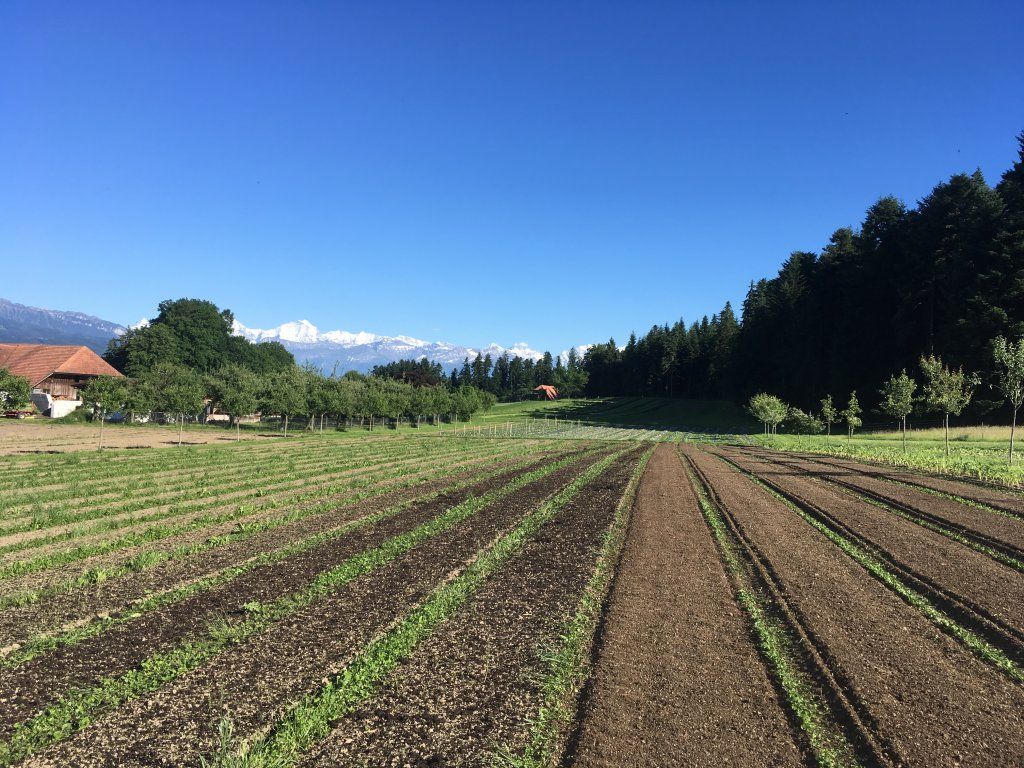
First preparation with applied compost (left) and finished planting bed (right)
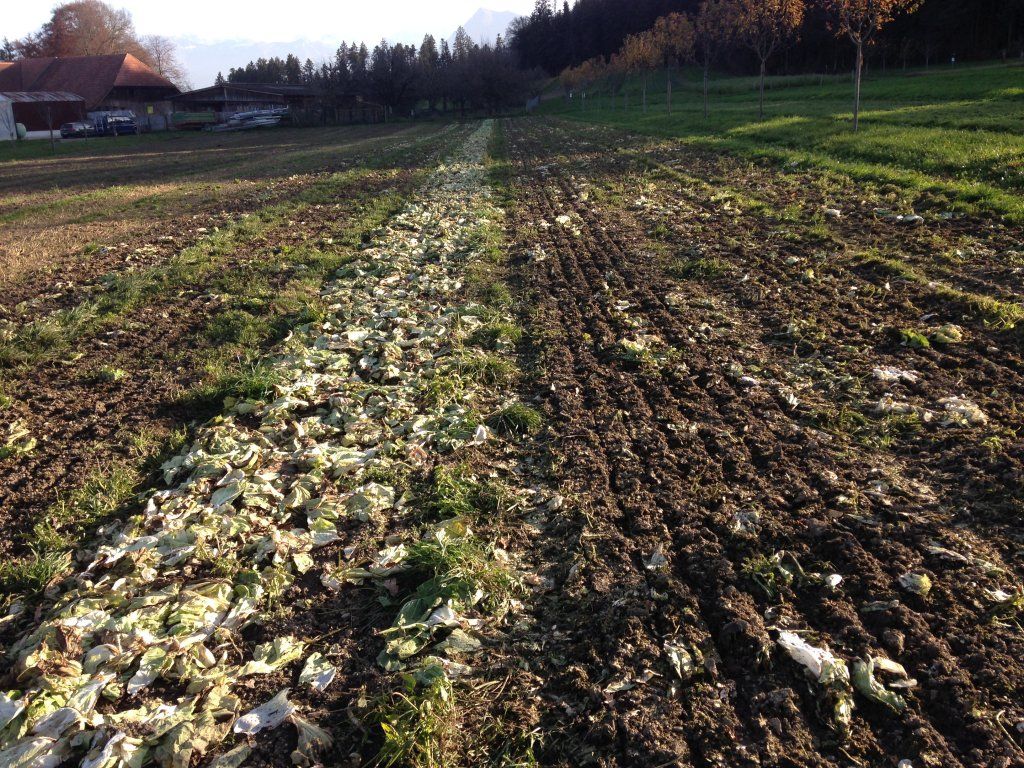
Harvested field in autumn
Green manure sown in crop residues (left) without cultivation (right) or after the geoplaner
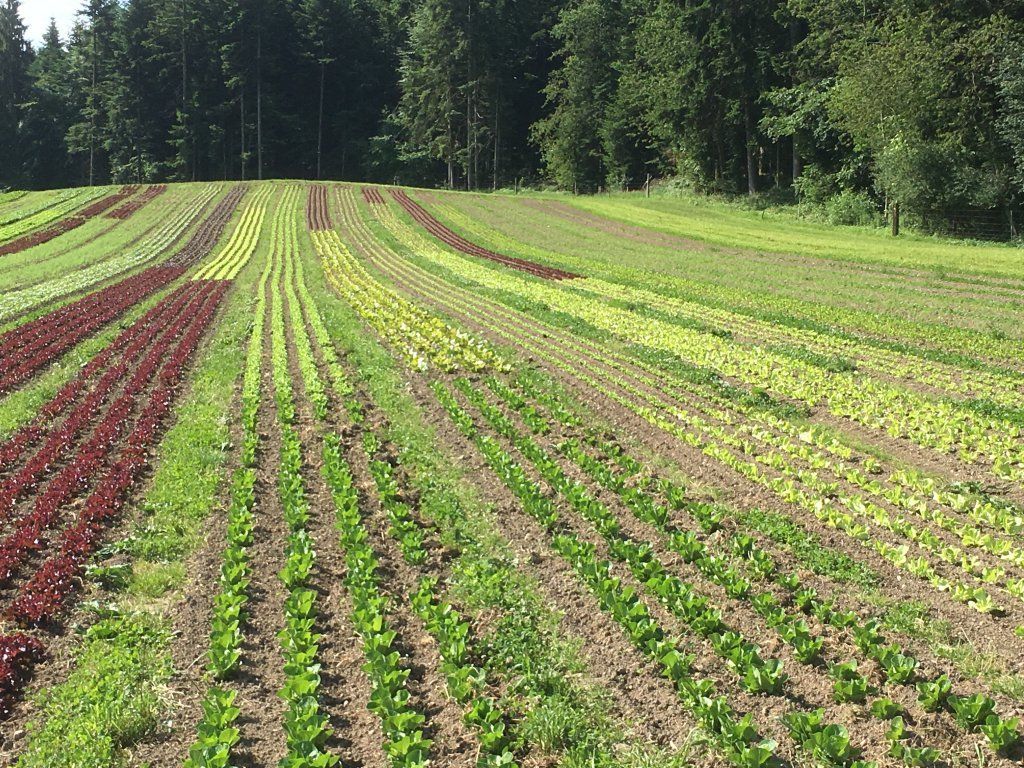
Healthy, tasty salads in a wide variety
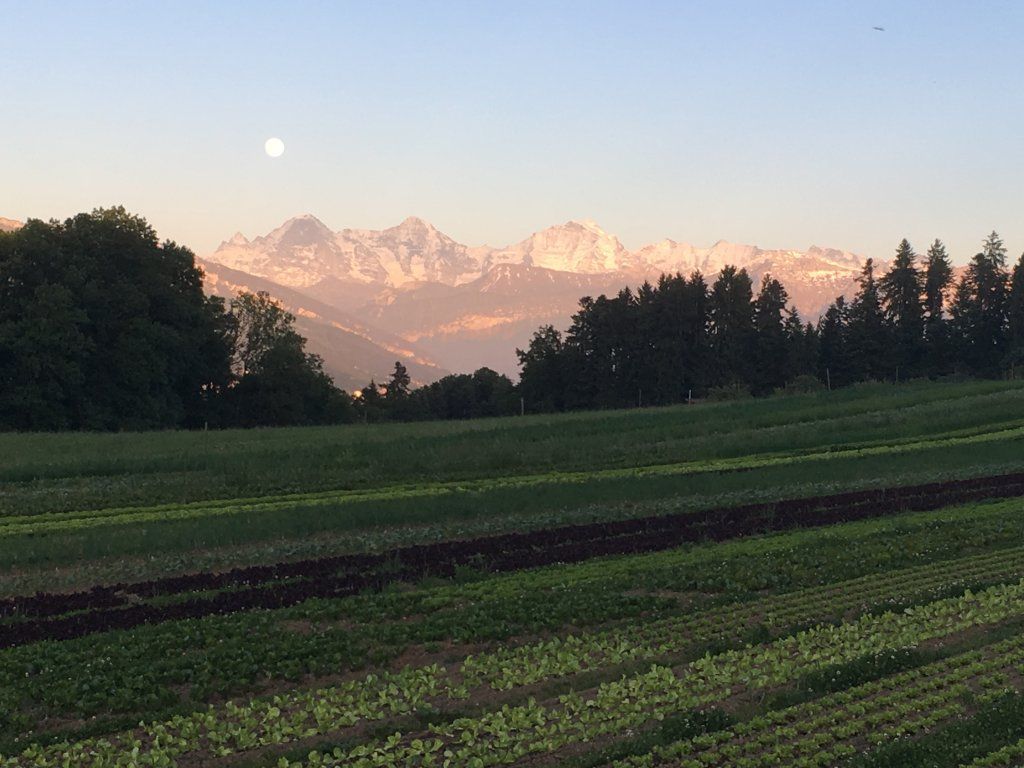
Breathtaking panorama
That's what we call unspoiled nature! The salads enjoy the balmy summer evening against a magnificent backdrop.
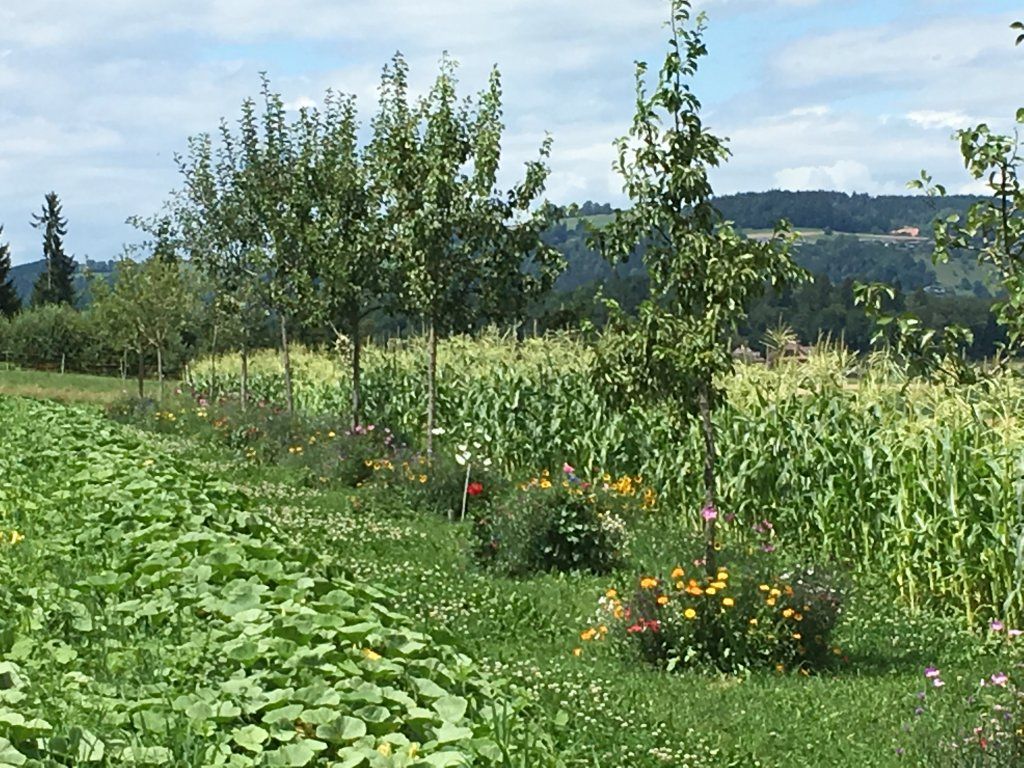
Oh yes: Some crops simply need to be left to grow in peace :-)

Our cultivation system has made it to the finals in the "Organic Farmer" category! Wow! Stay tuned: The awards ceremony will take place in Berlin in November 2021. #ceresaward2021
The key points of our cultivation system:
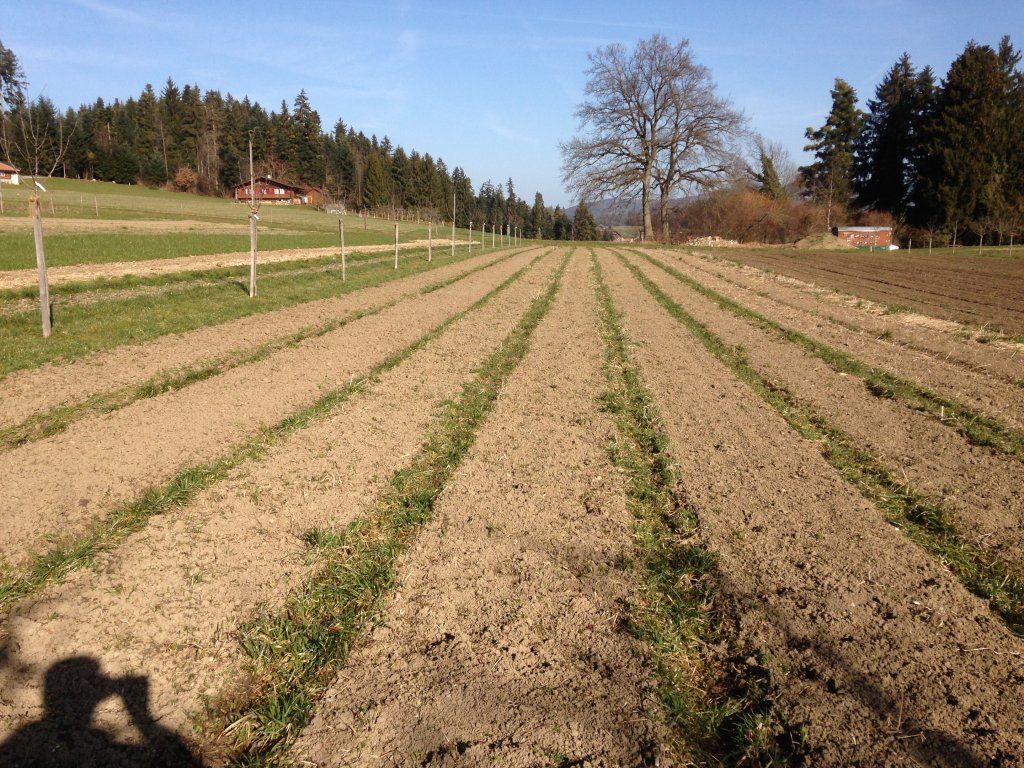
Constant lanes
so that the soil to be planted is no longer driven on and compacted.
The lanes are laid out along the contour lines. This prevents long flow paths for water and thus effectively prevents erosion.
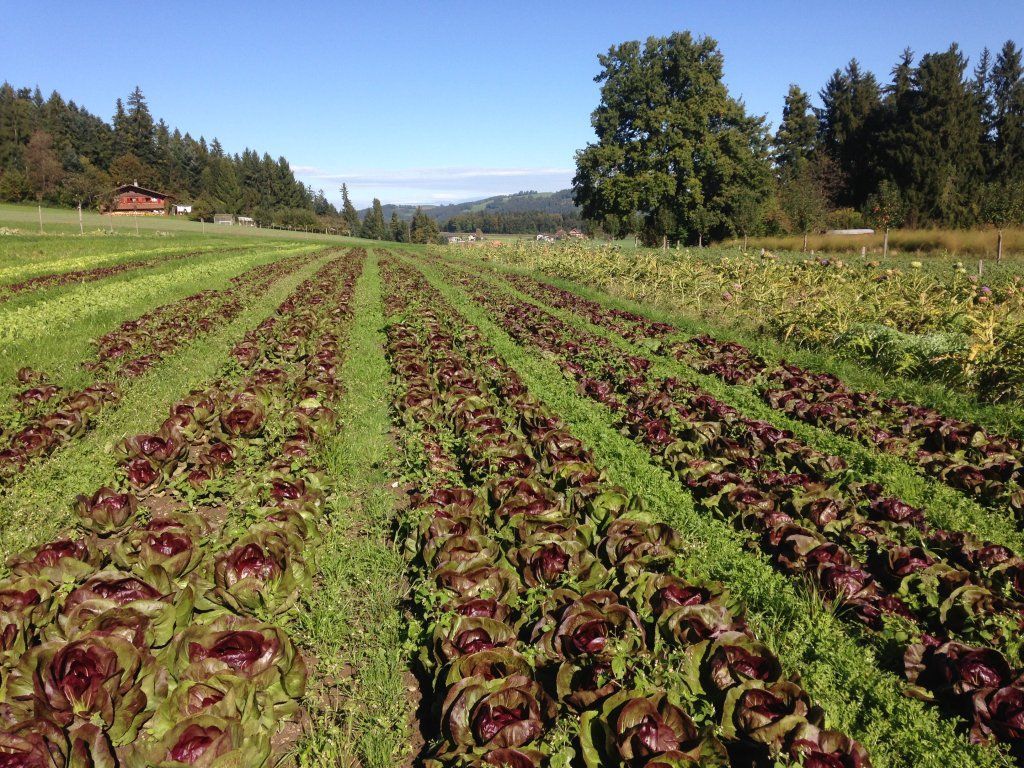
Permanently vegetated lanes
So that the lanes remain load-bearing and we can do without GPS, since the lanes are visible.
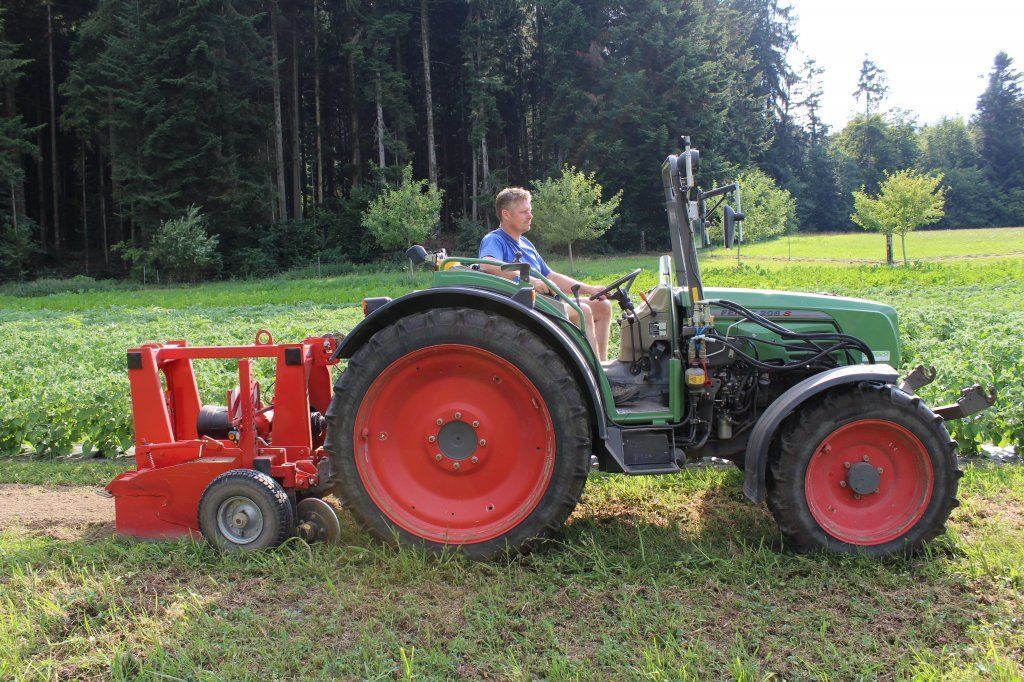
No-till minimal tillage
to maintain the soil structure and stop soil degradation. This preserves soil life.
Water absorption, flow, storage and availability are improved.

Cultivation of green manures
for supplying nutrients and opening up different soil layers, for reducing erosion, for promoting beneficial insects, etc.
Generally, mixed seeds are used, rarely pure seeds.
Each individual bed is planted with green manure at least once a year!
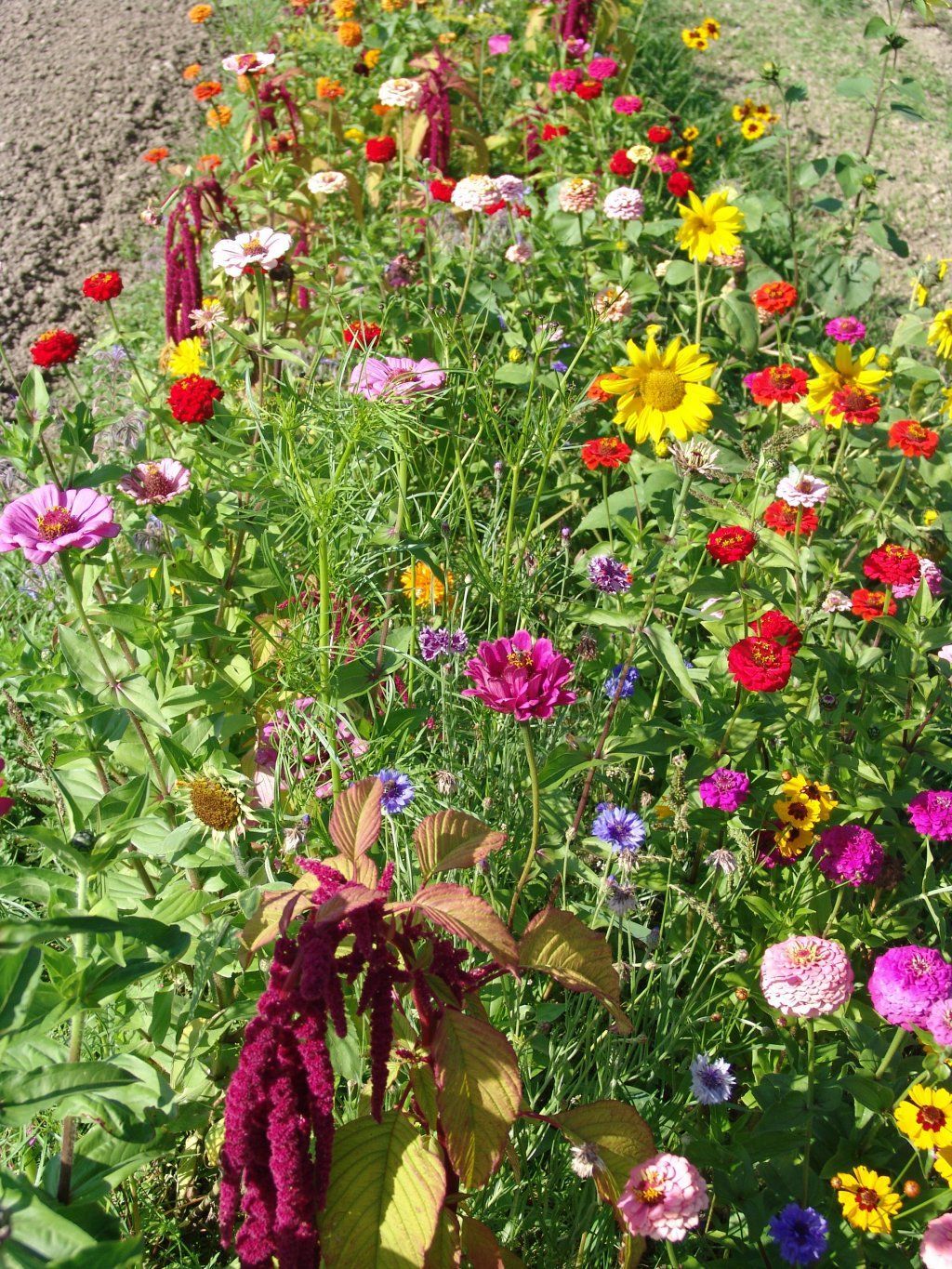
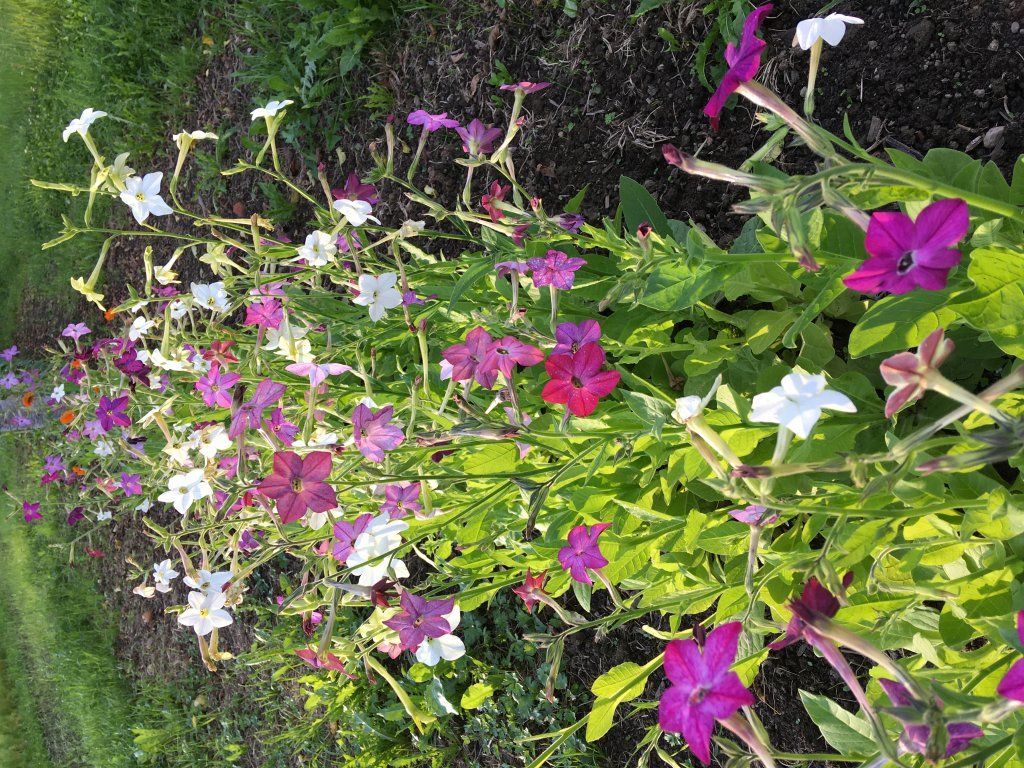
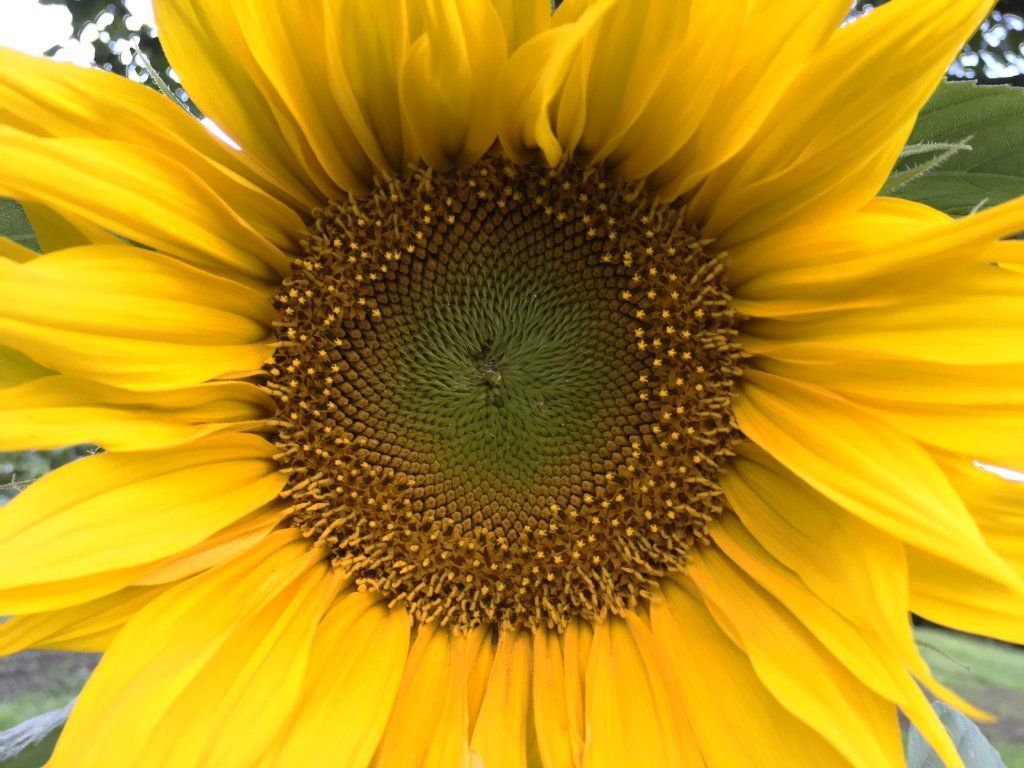
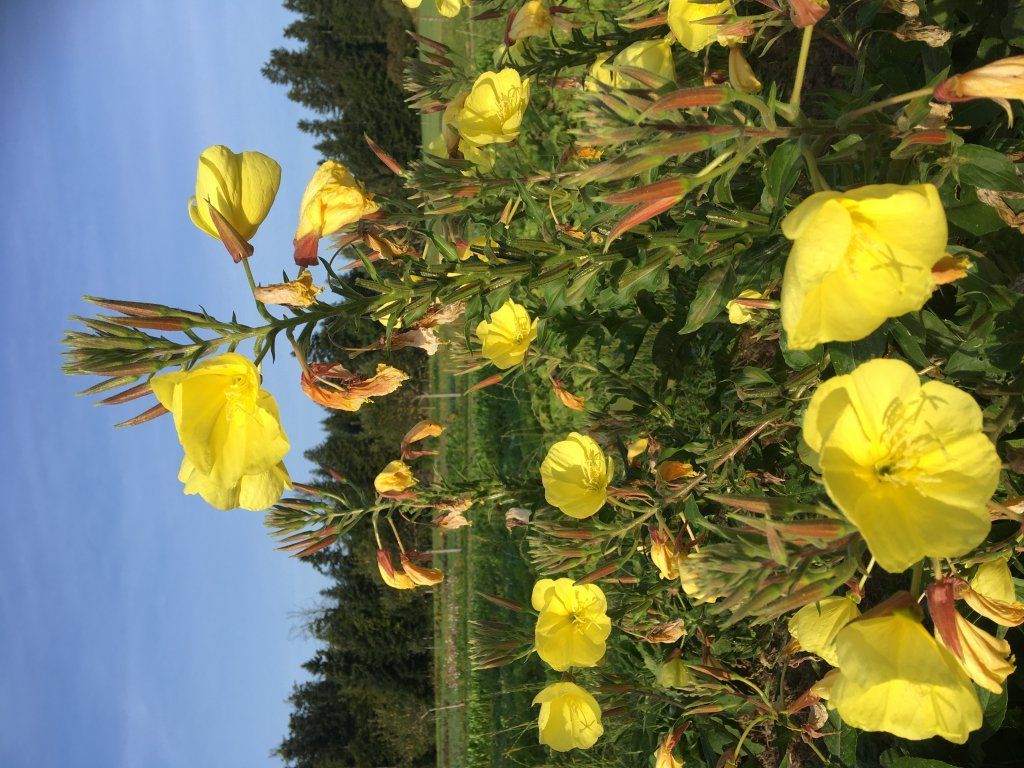
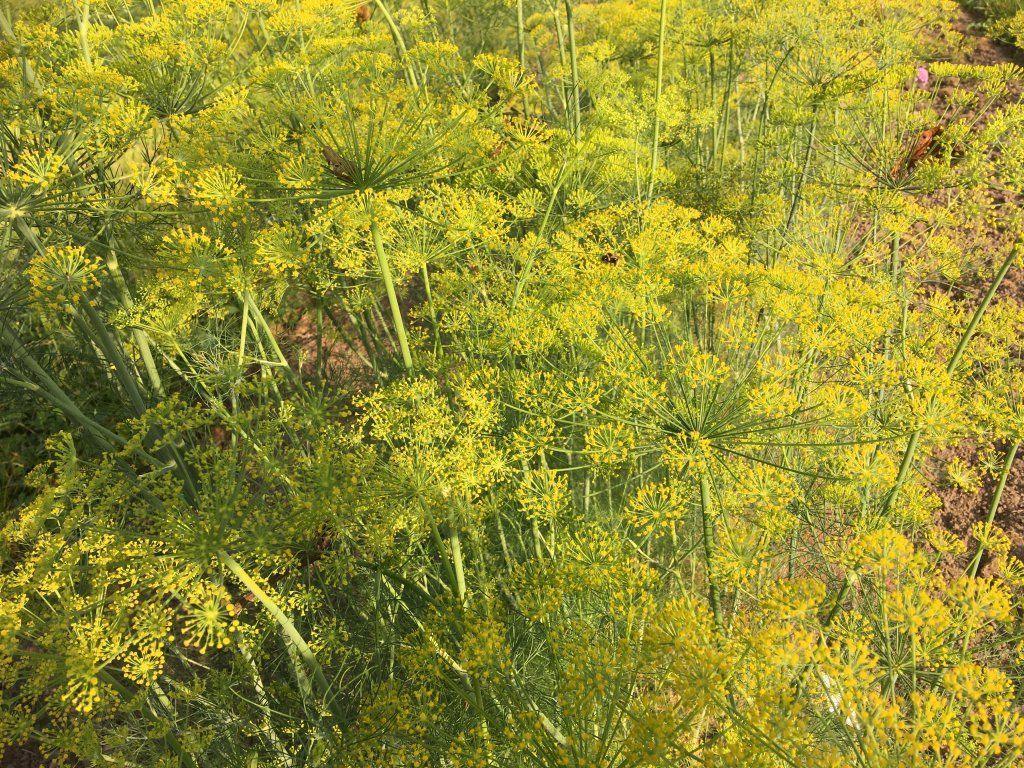
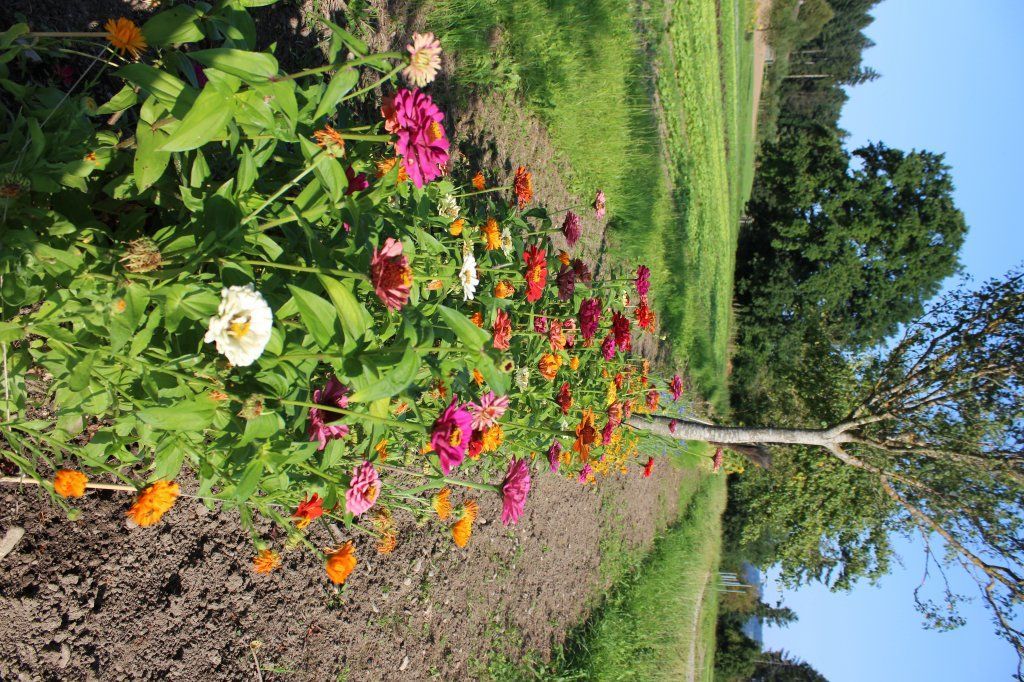
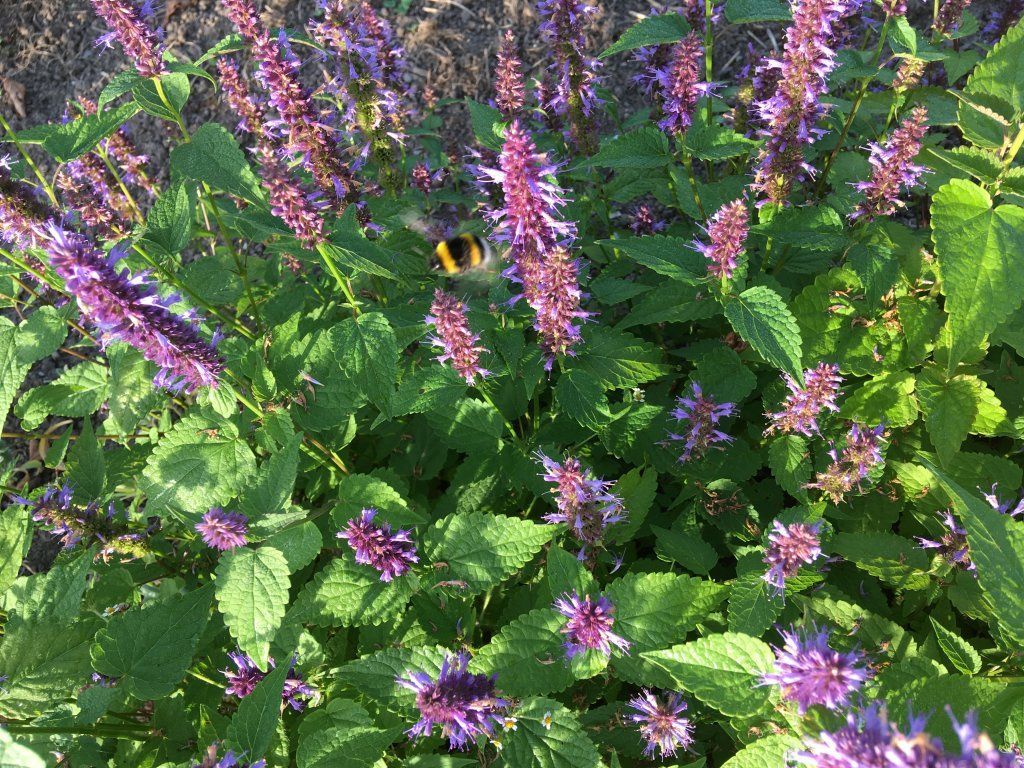
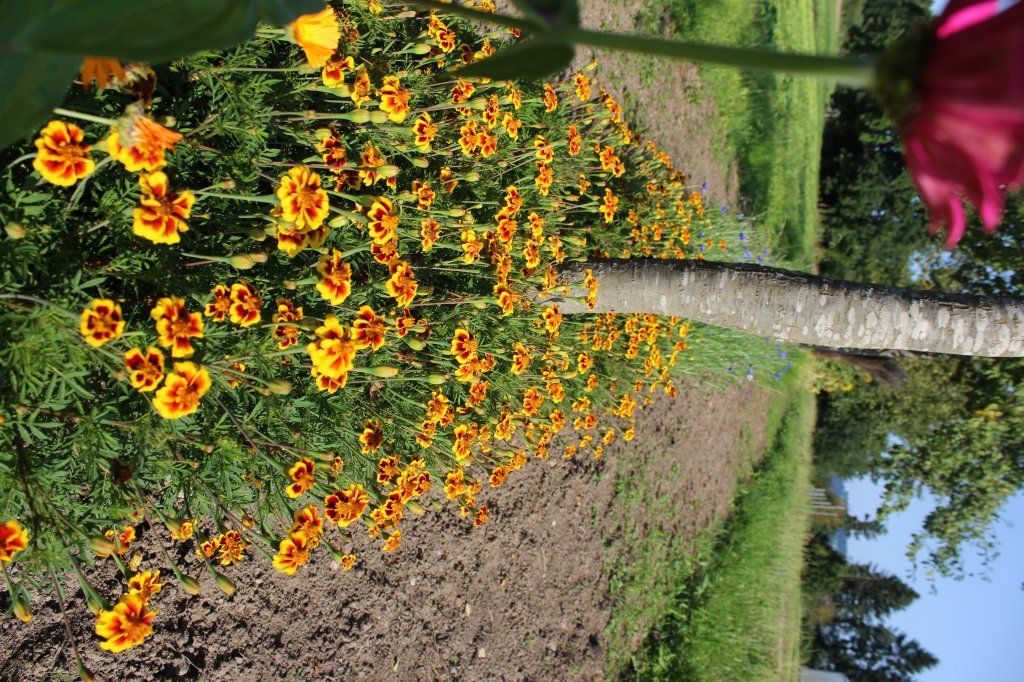
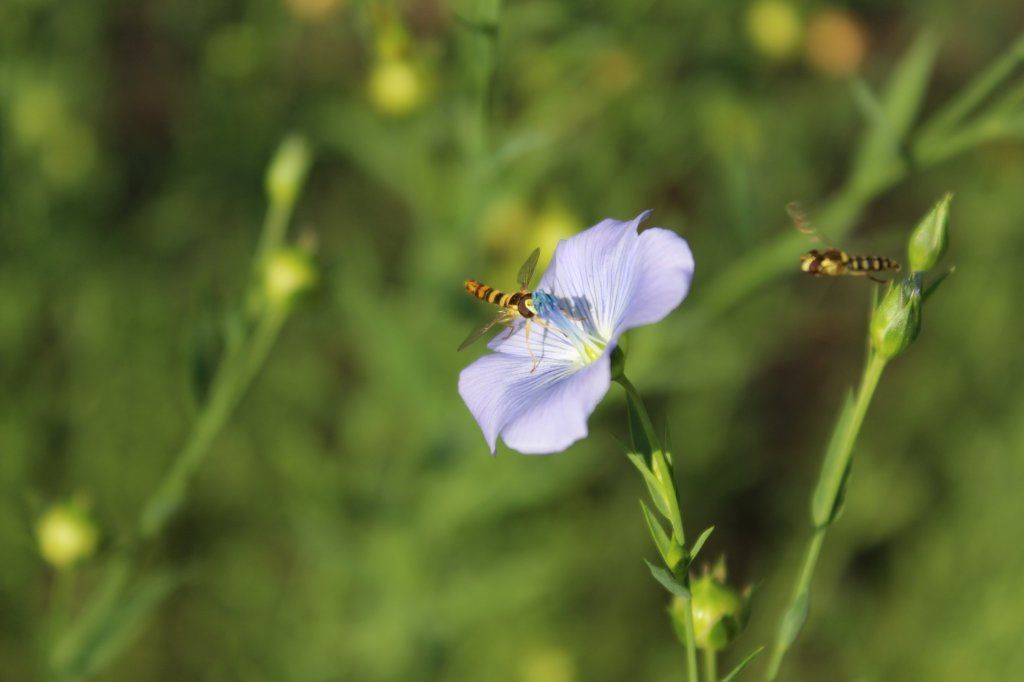
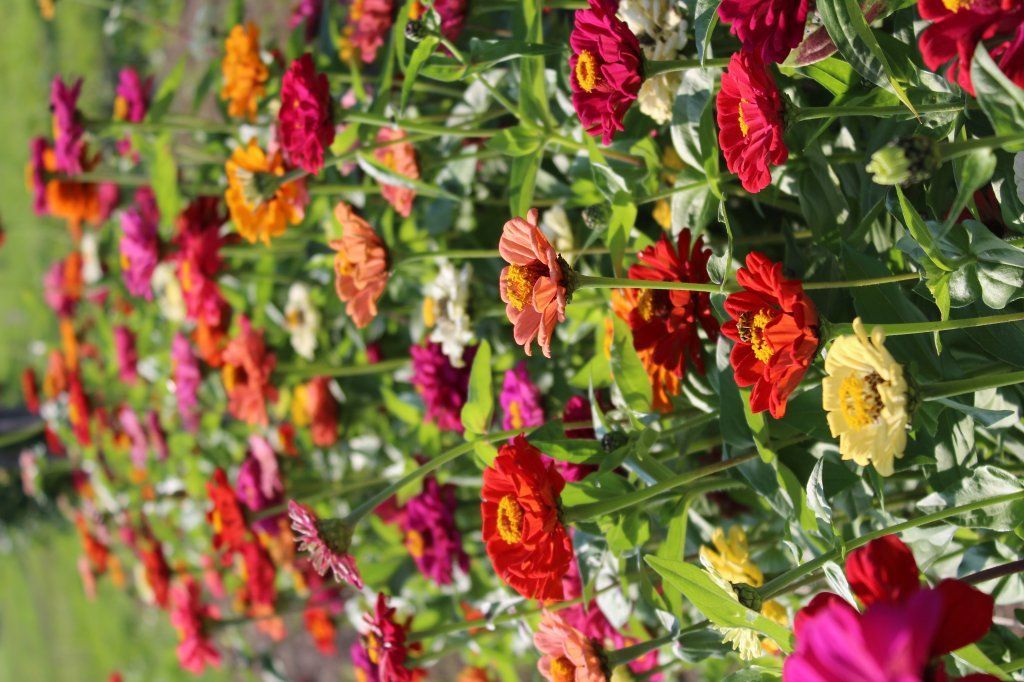
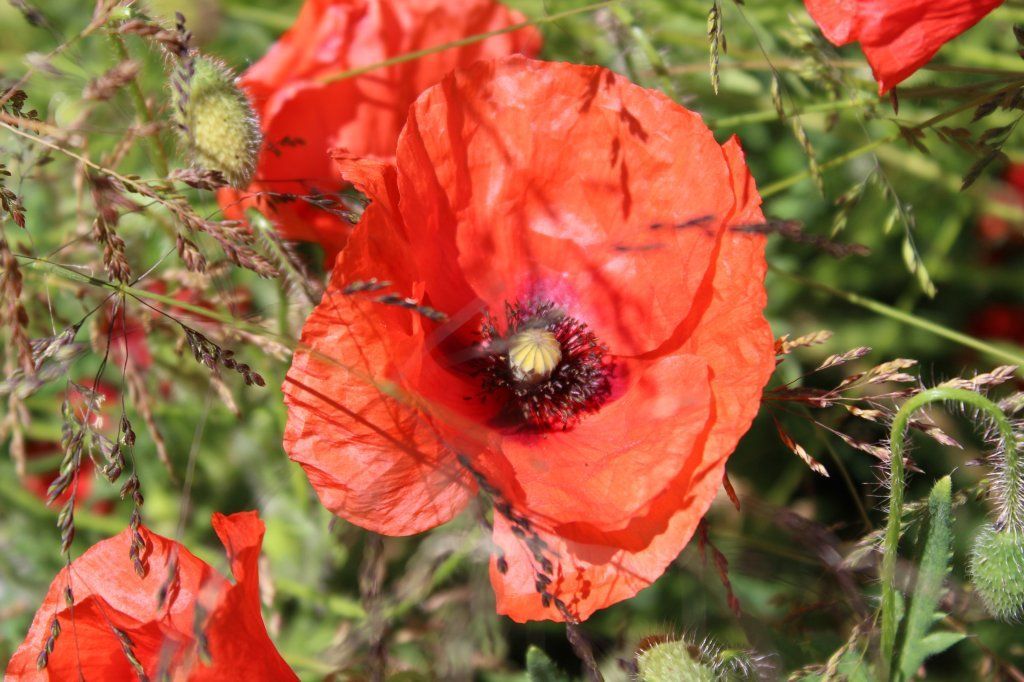
Cultivation of flowering strips
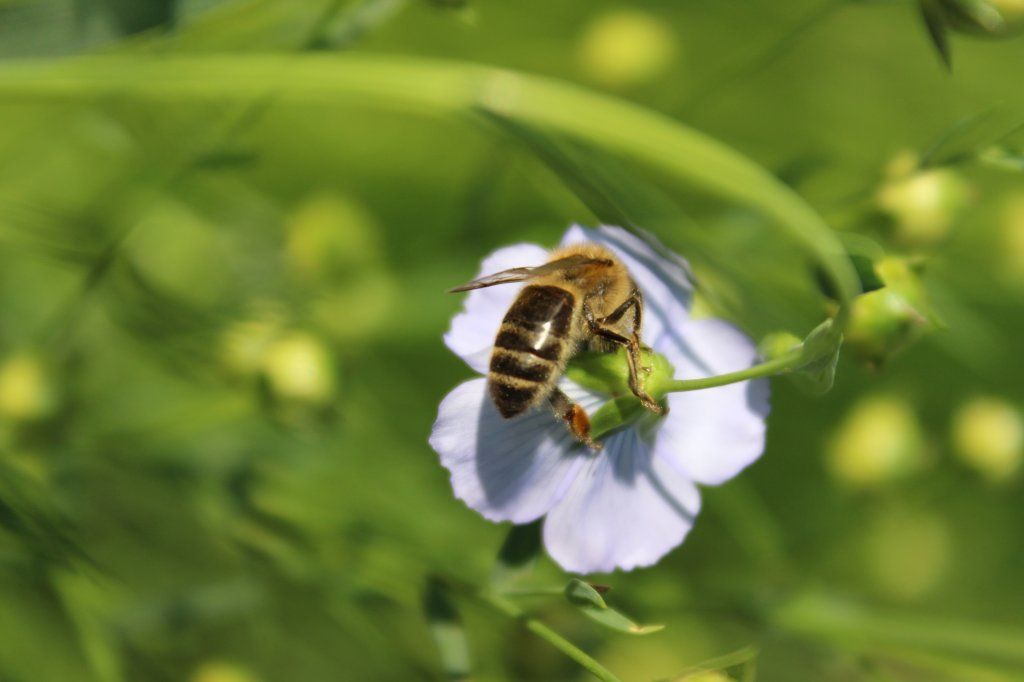
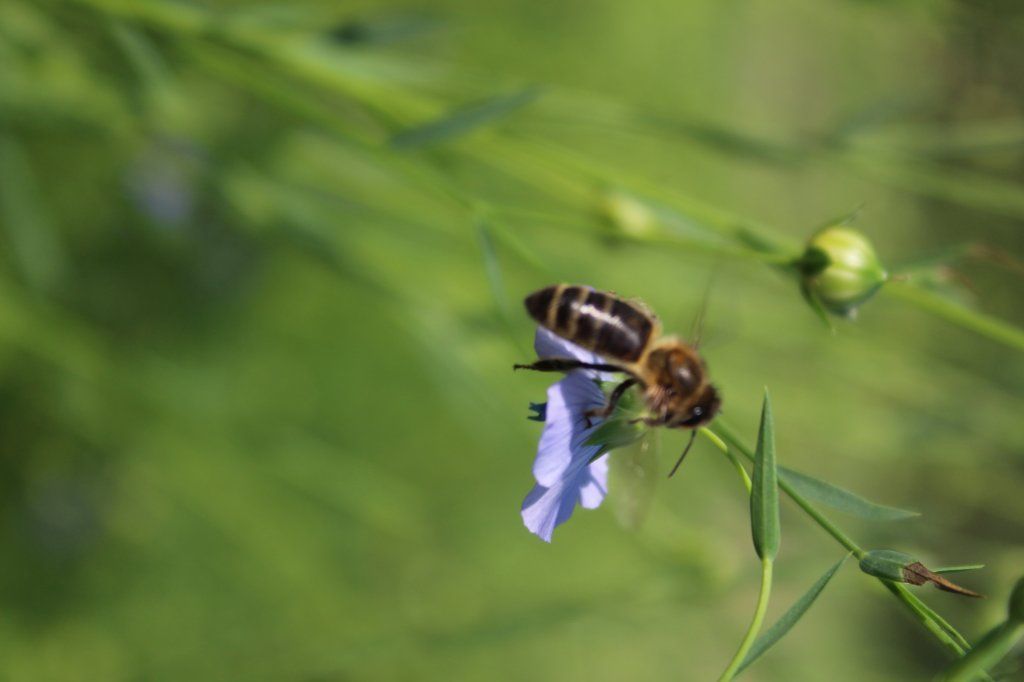
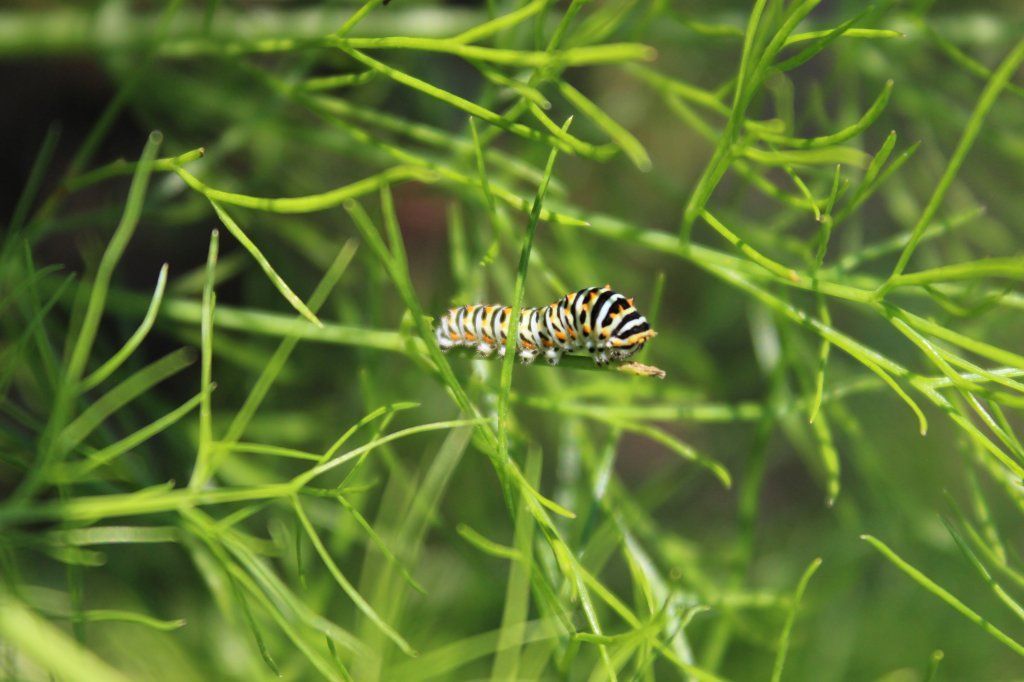
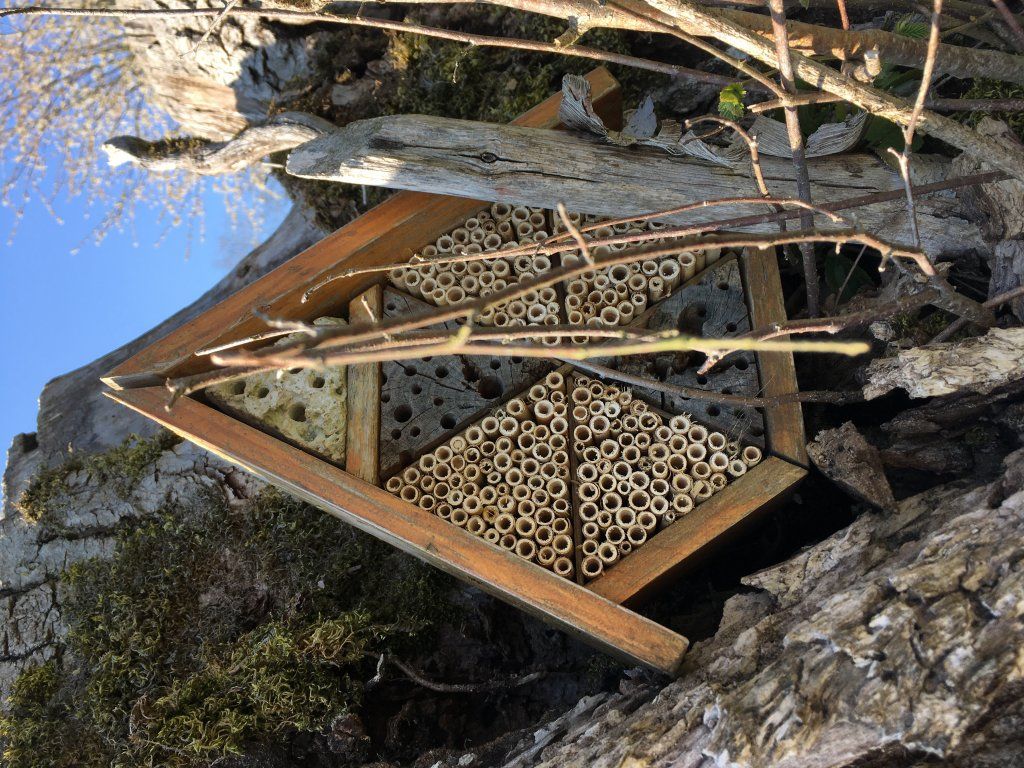
so that the adult beneficial insects have something to eat...bee pastures are essential for organic vegetable farming.
We use different mixtures and sow more than a kilometer of flowering strips between our crops during the season!
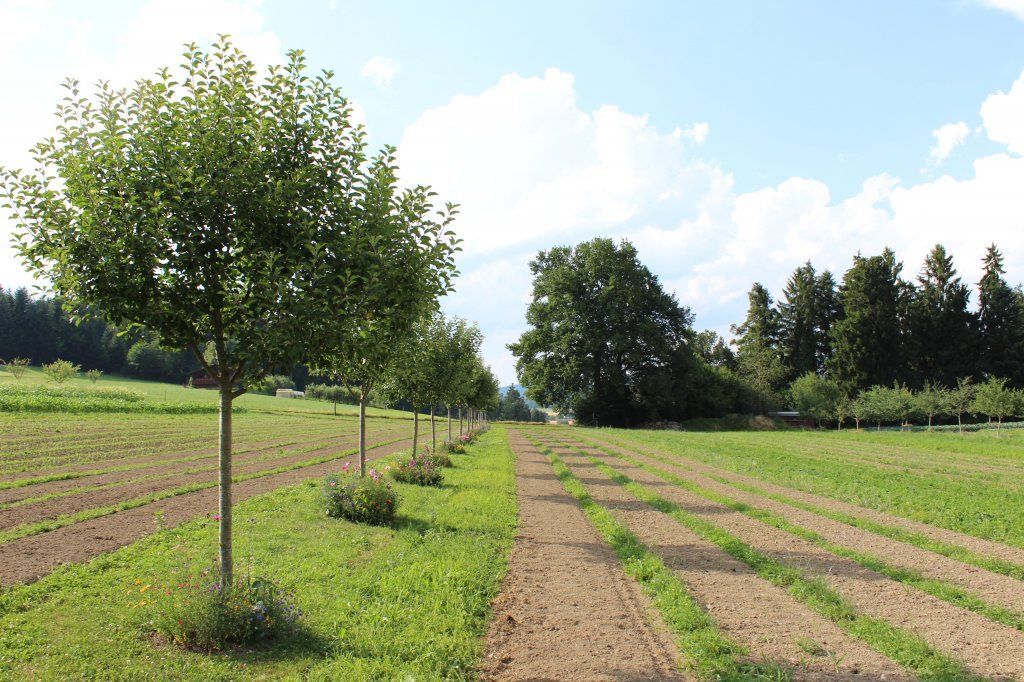
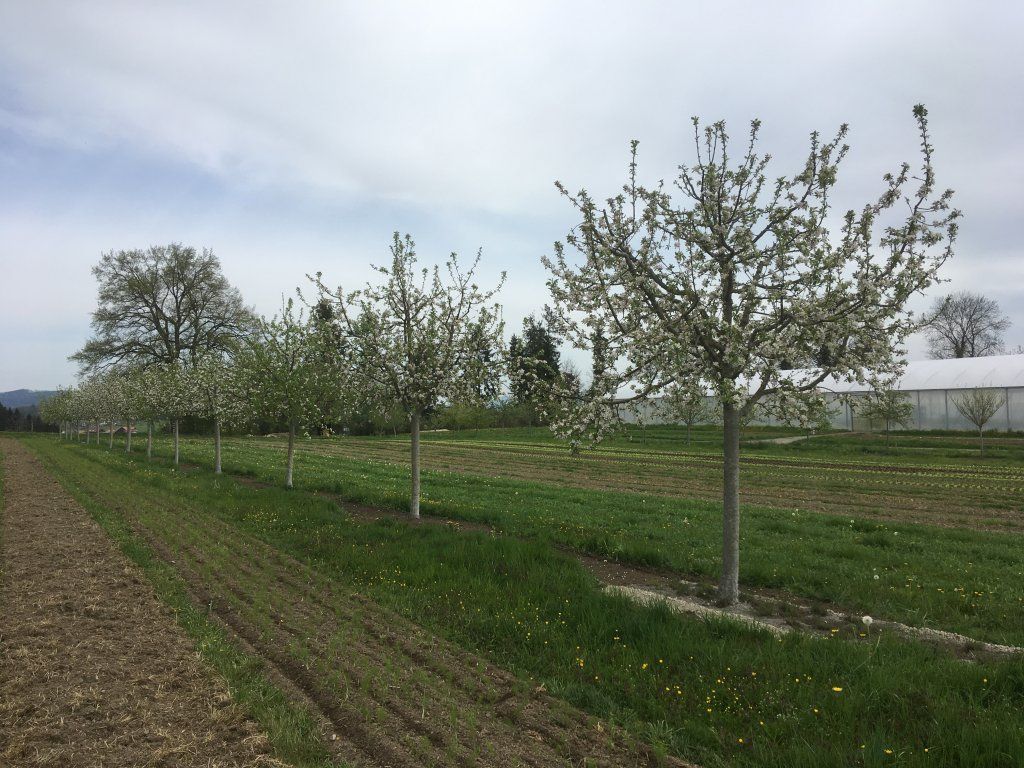
Integration of standard fruit trees
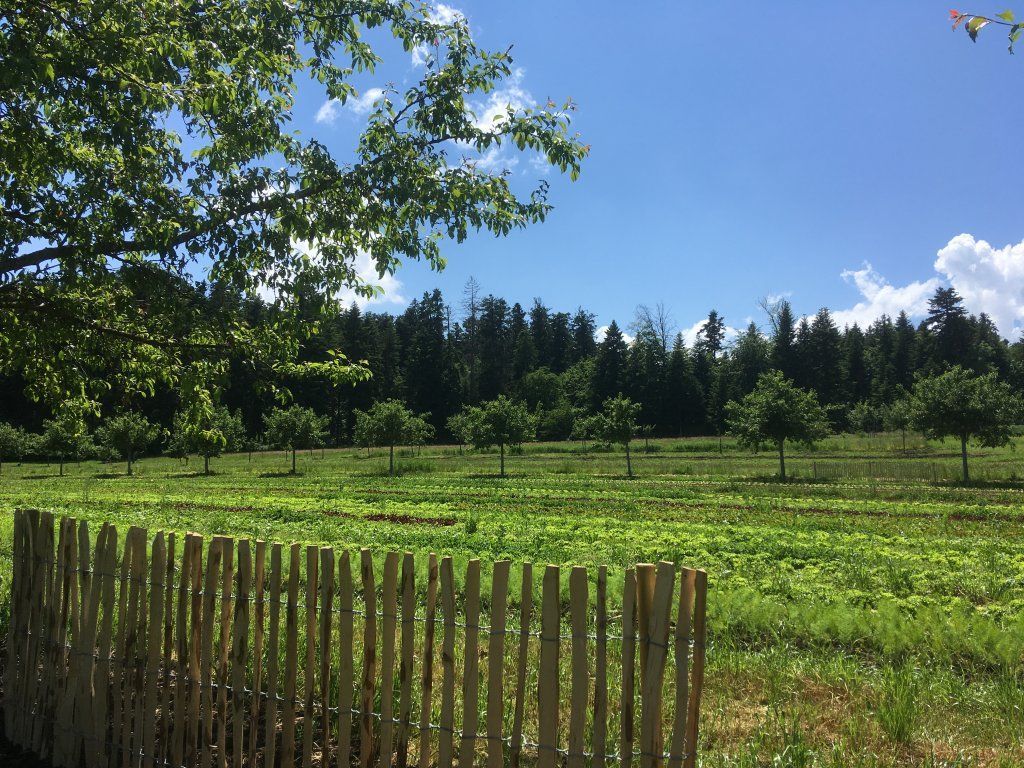
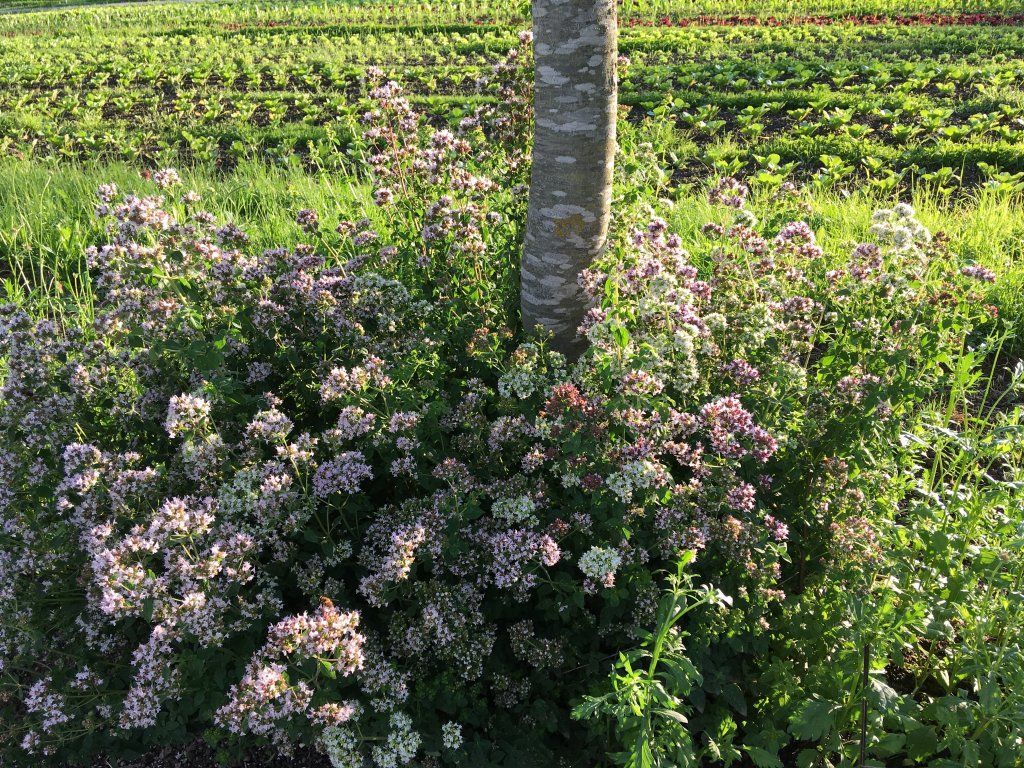
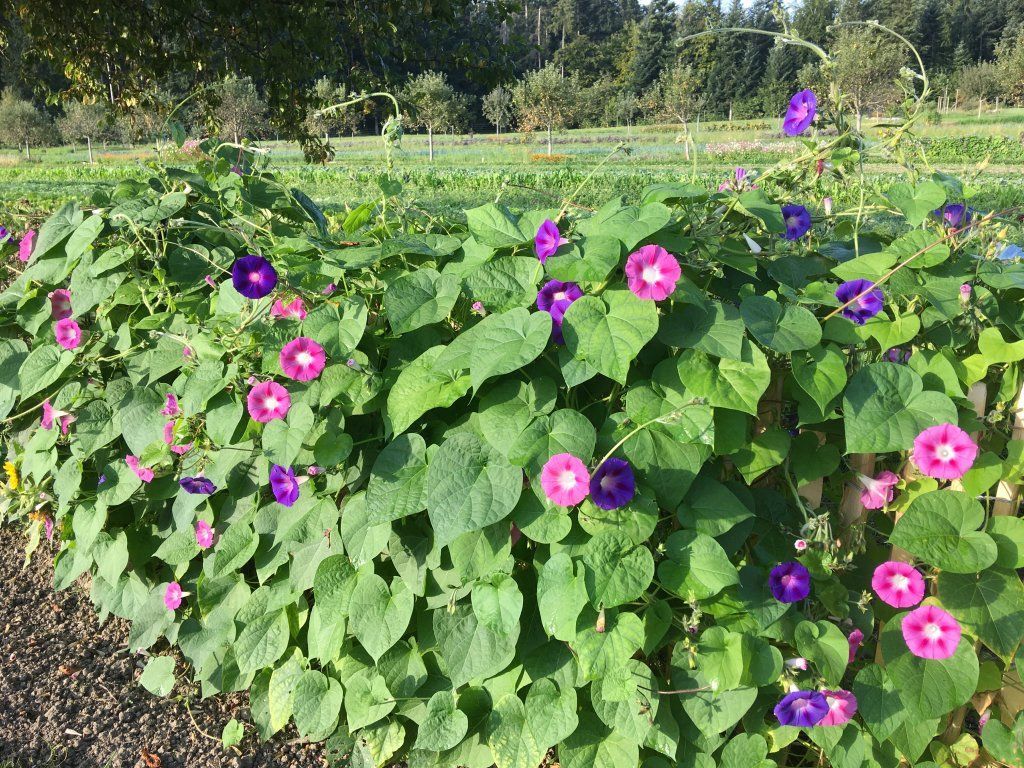
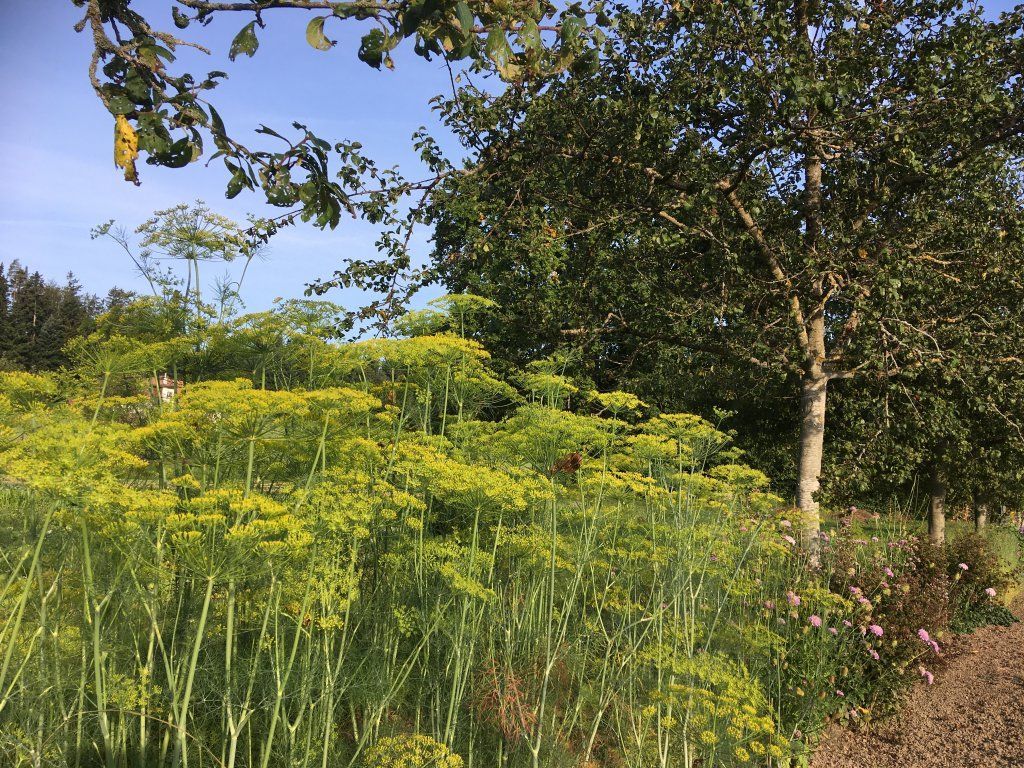
This creates microclimates, increases the overall yield, and is essential for biodiversity. And of course, there are plenty of flowers blooming under the trees!
Here we utilize edge effects and allow nature space: This way, several gears of the systems mesh together, making the entire ecosystem a rotating organism. Agroforestry systems have enormous potential for the future climate. Tagesschau on SRF from September 21, 2019 (report by Fabio Storni):
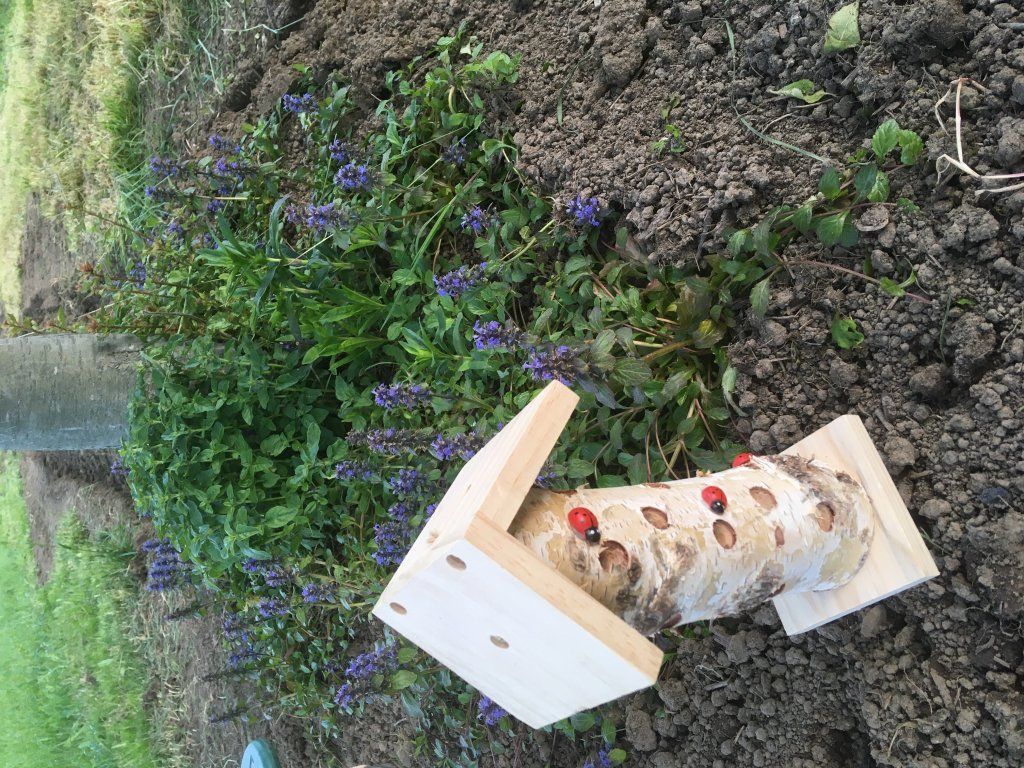
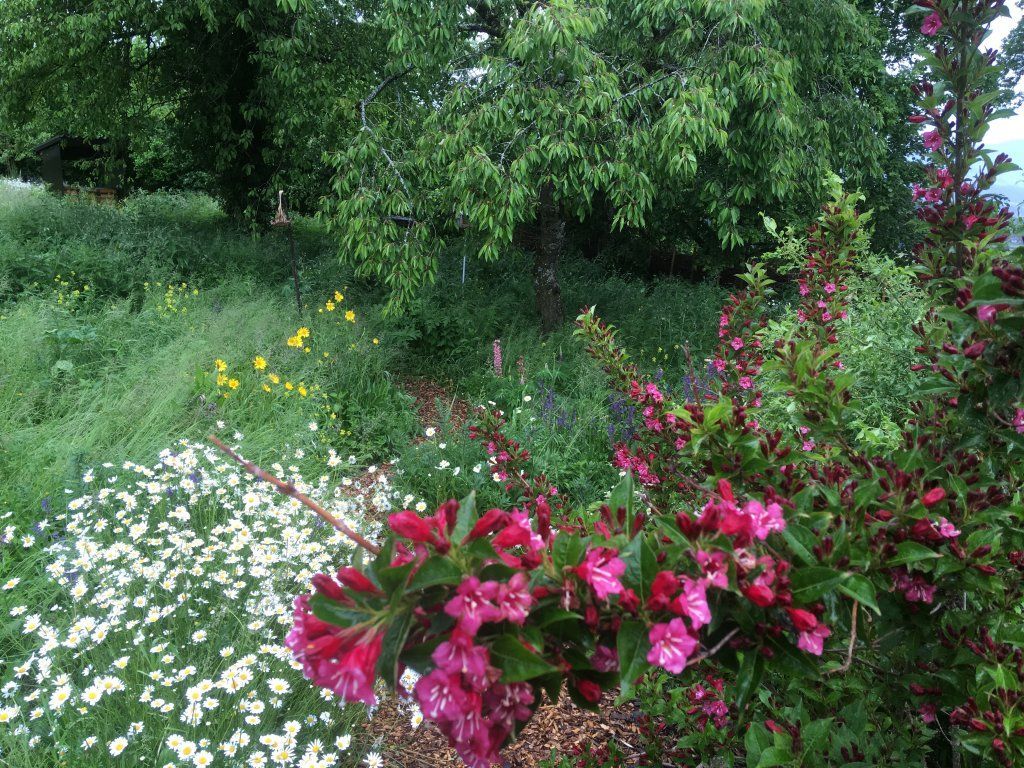
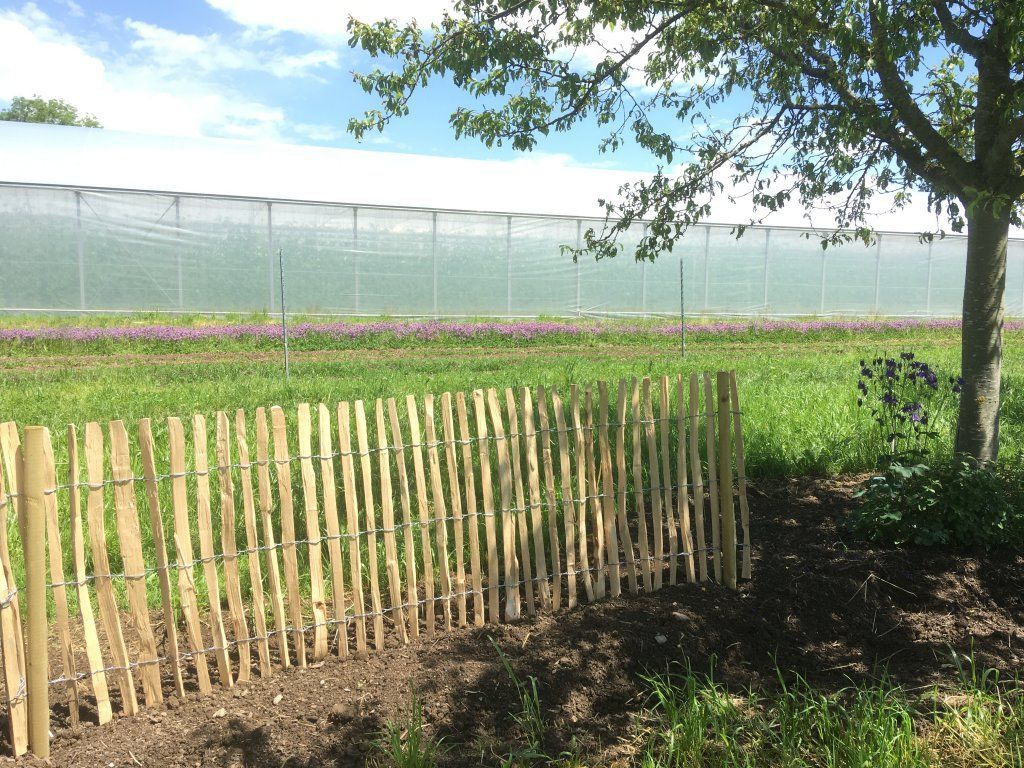
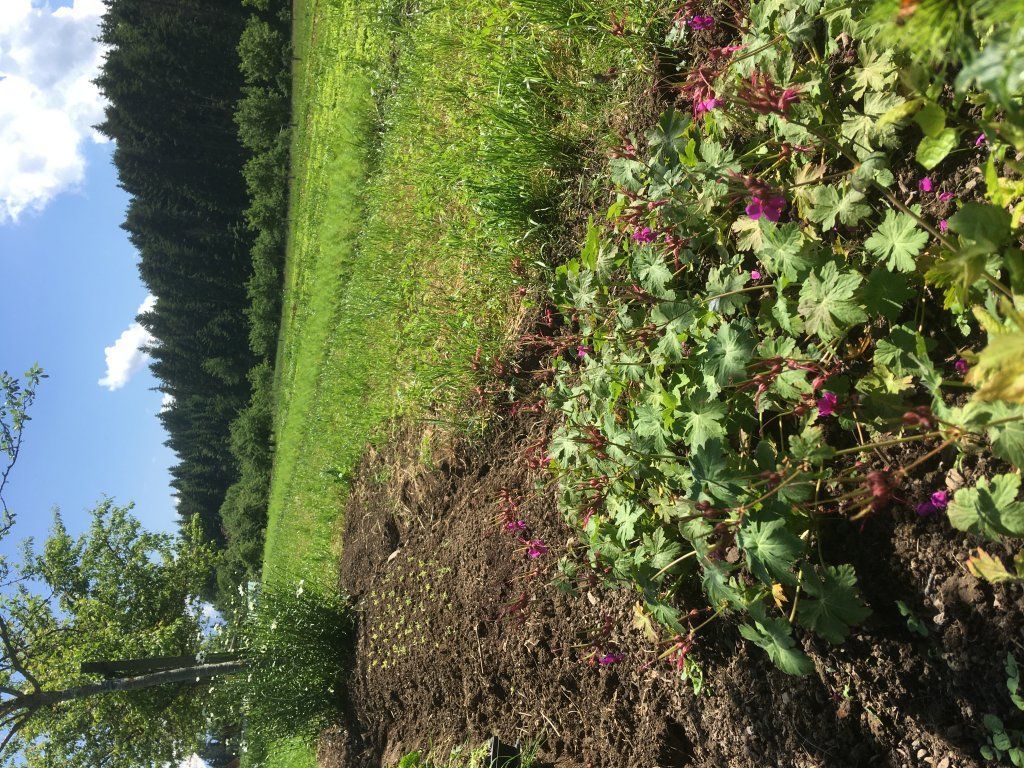
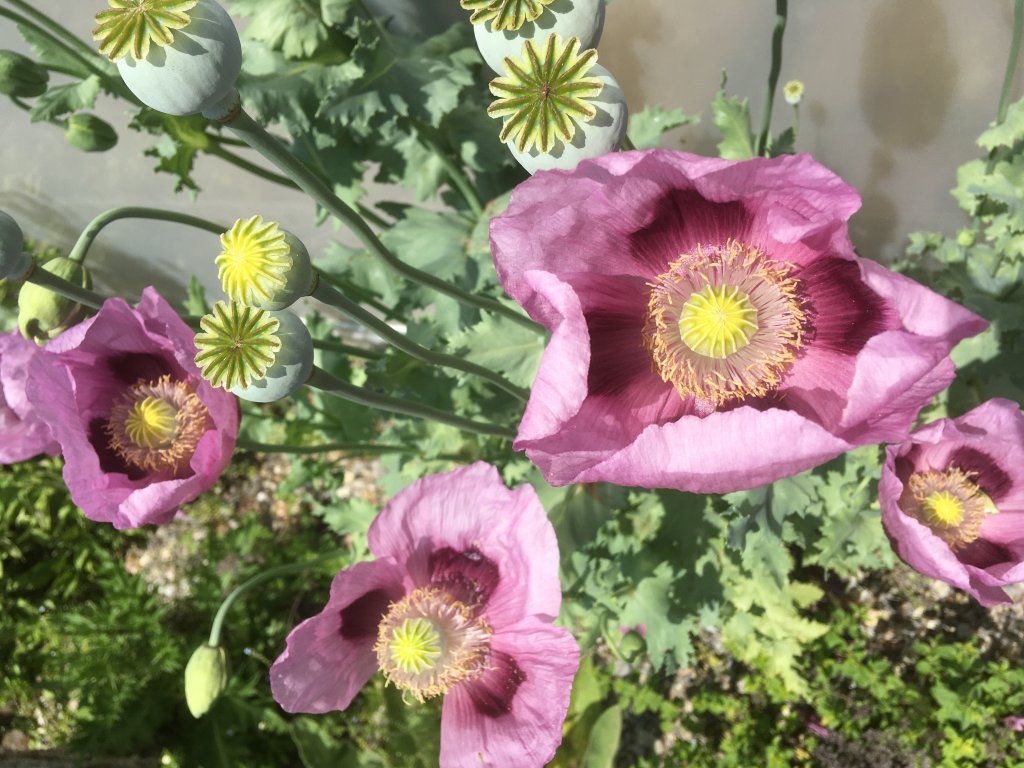
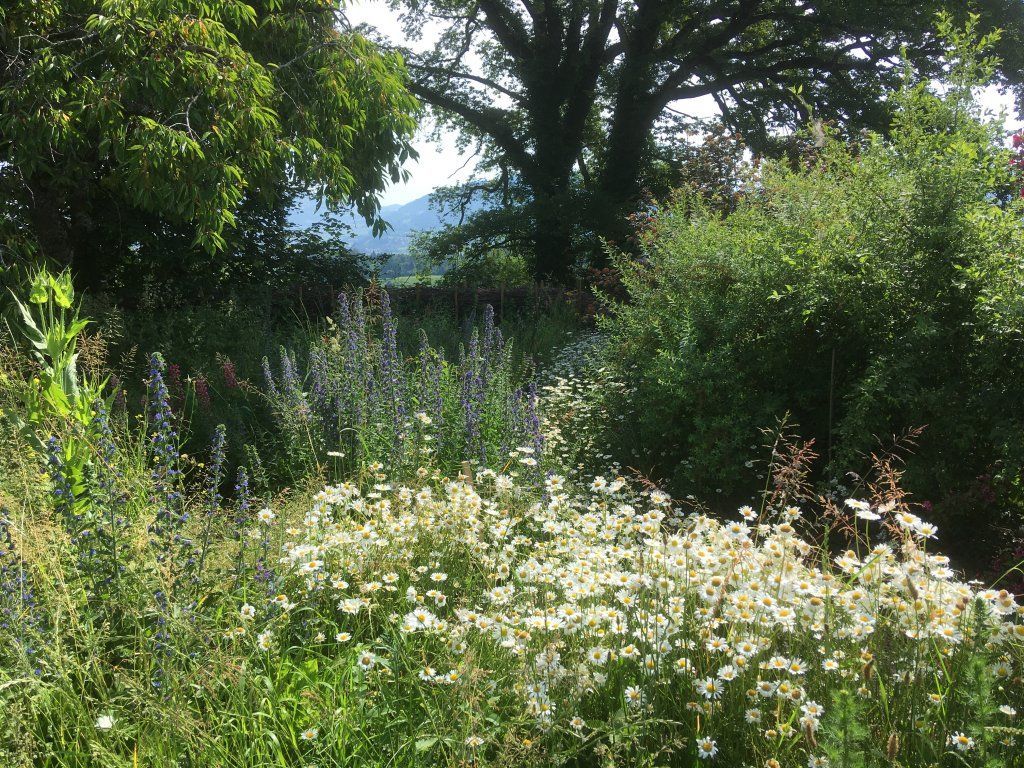
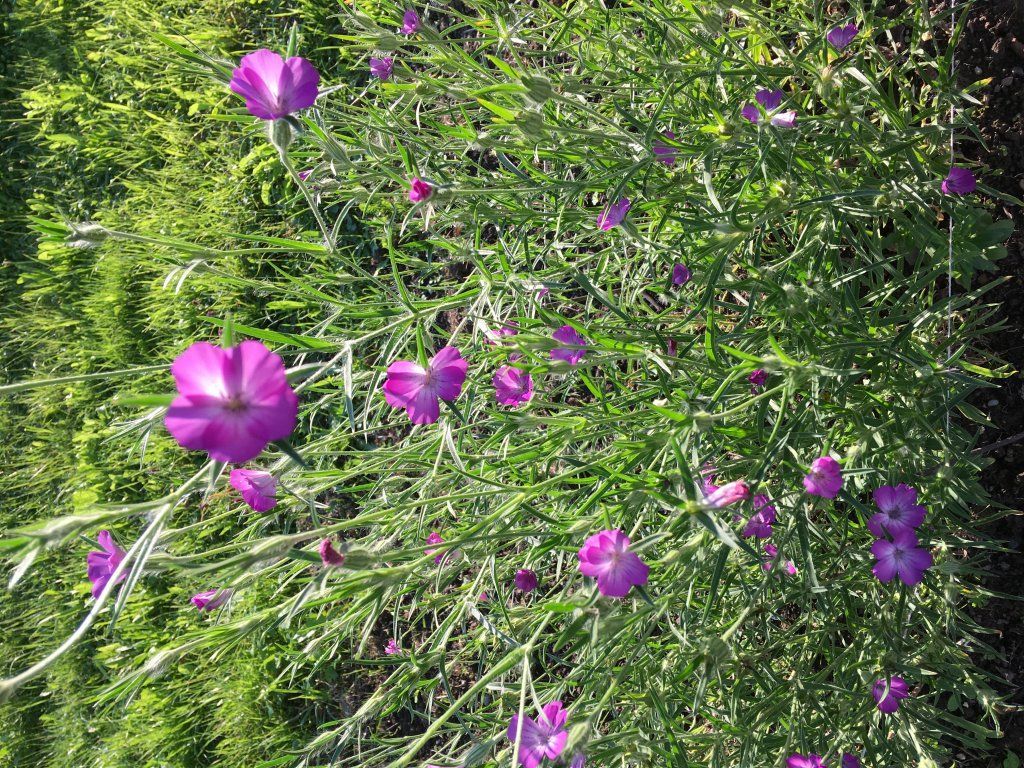
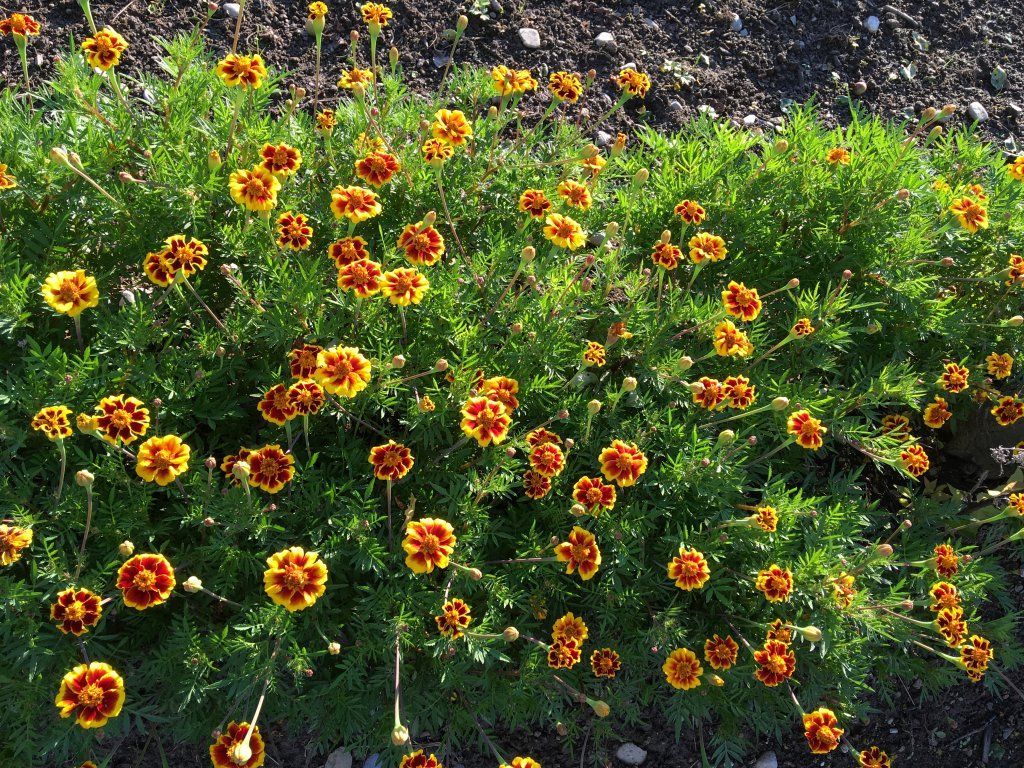
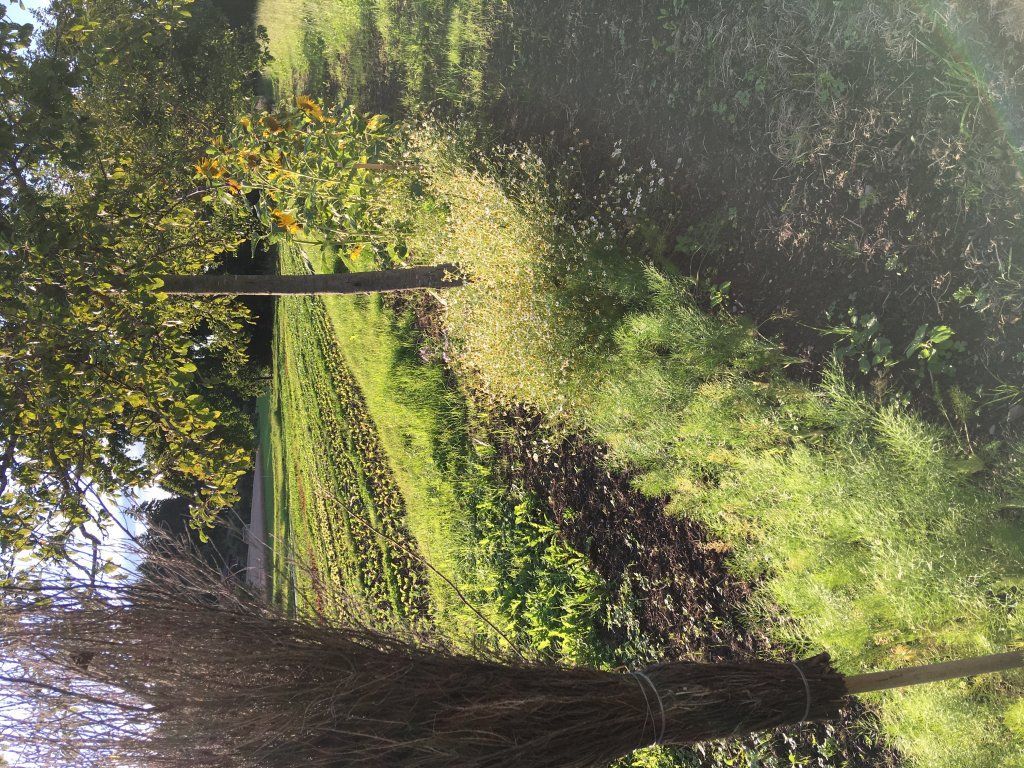
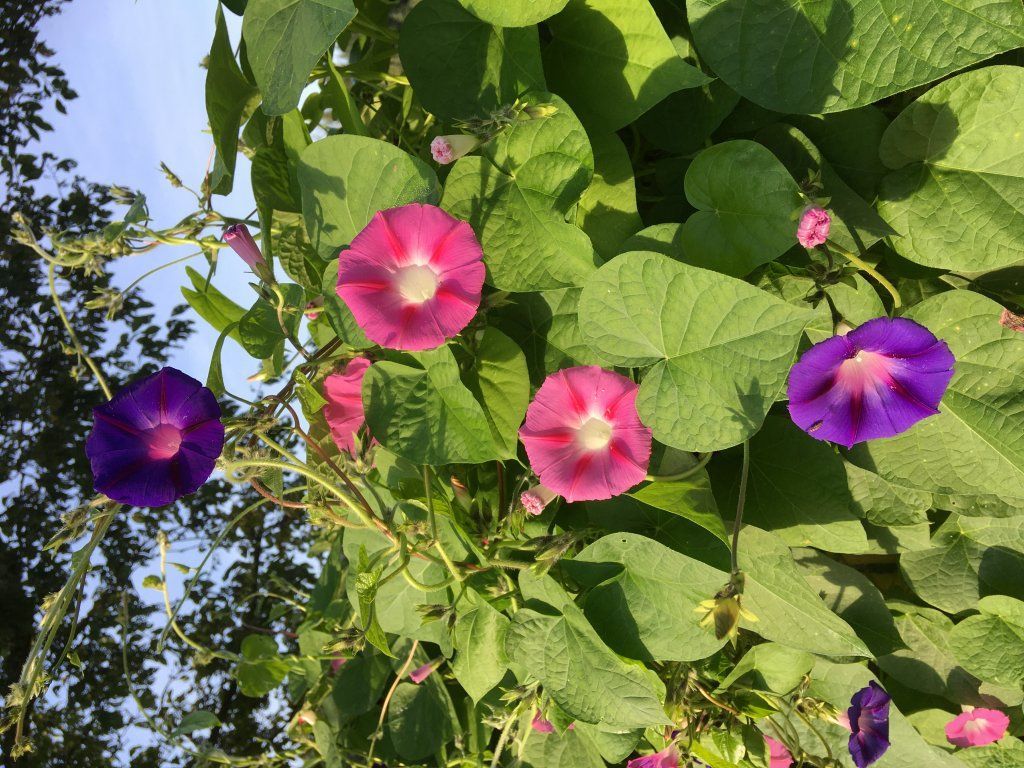
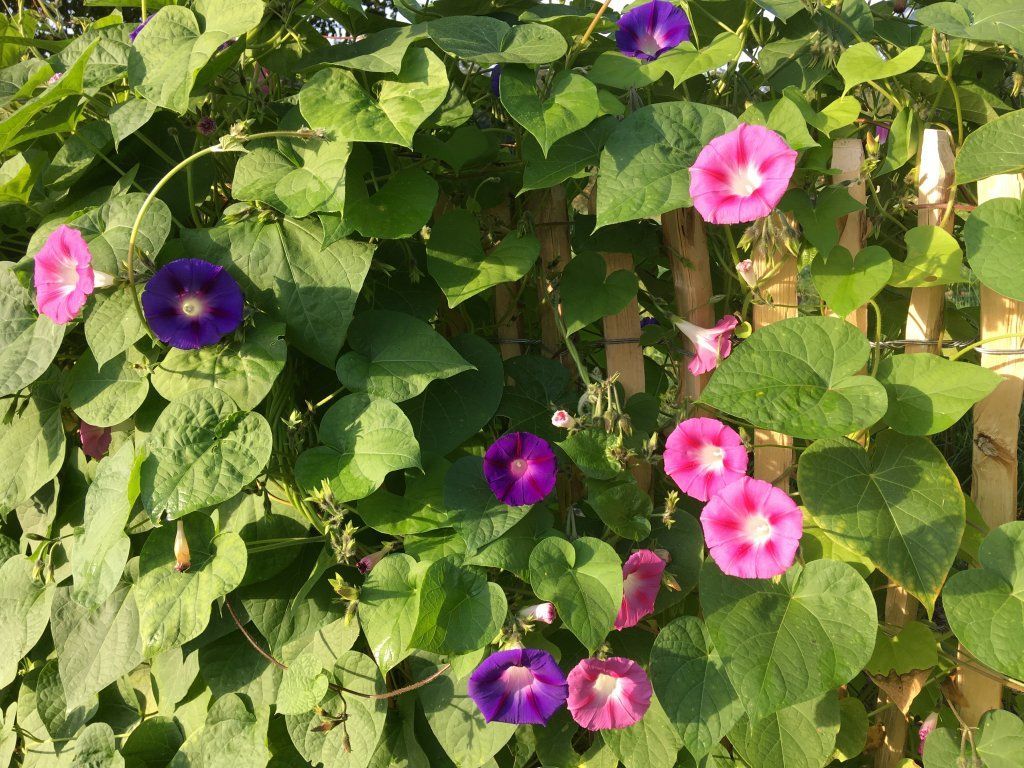
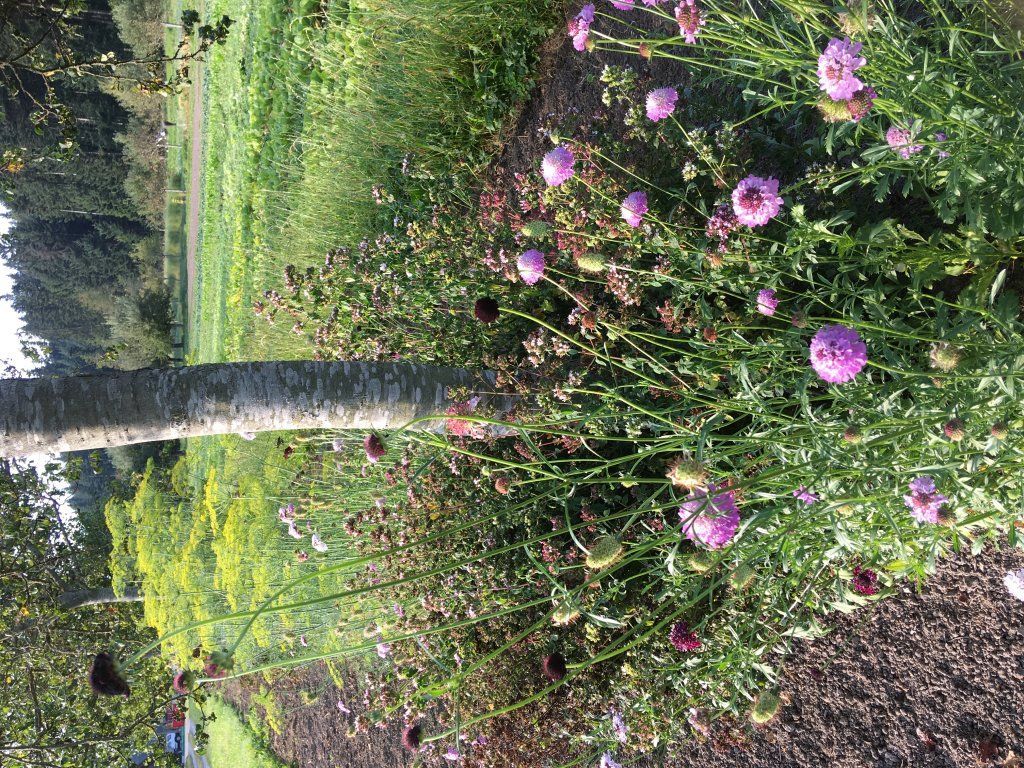
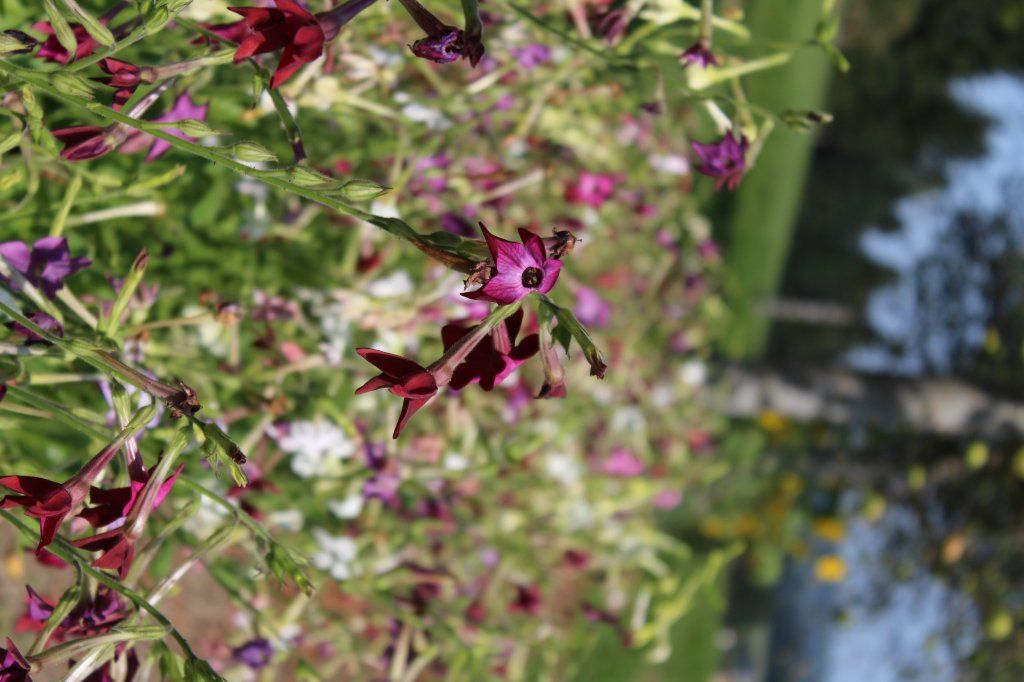
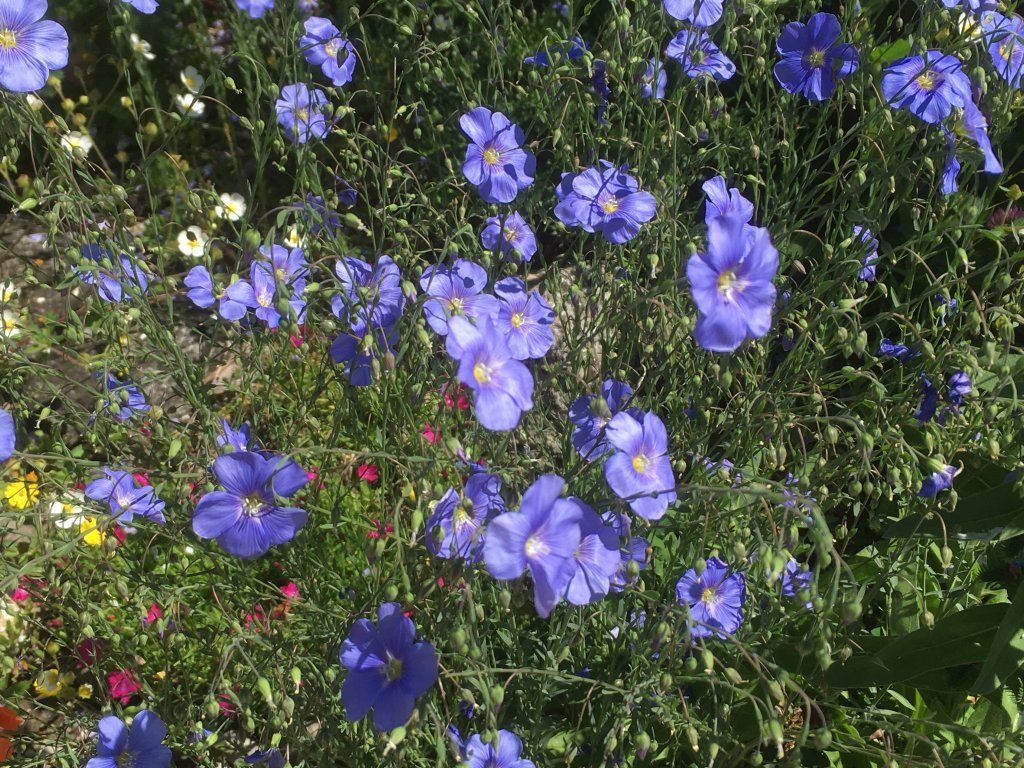
Permanent flowering strips under the fruit trees
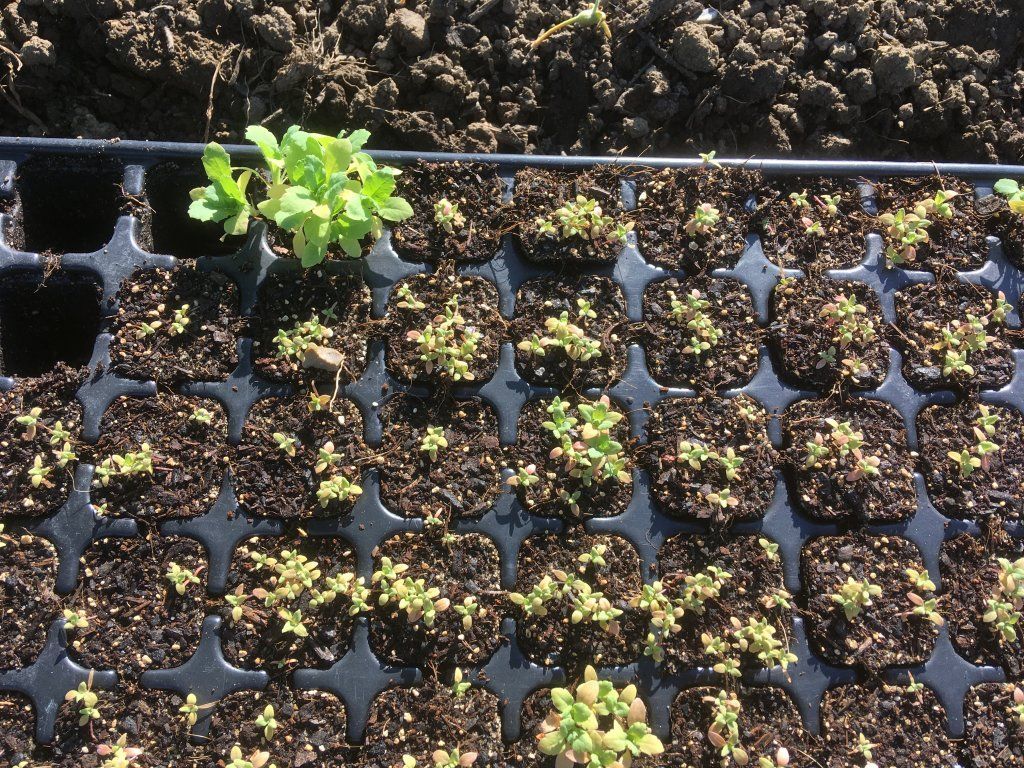
In order to provide insects with a permanent food supply and place of refuge, Iris planted several thousand homegrown flowers under the rows of trees in 2021.
Homemade EM compost
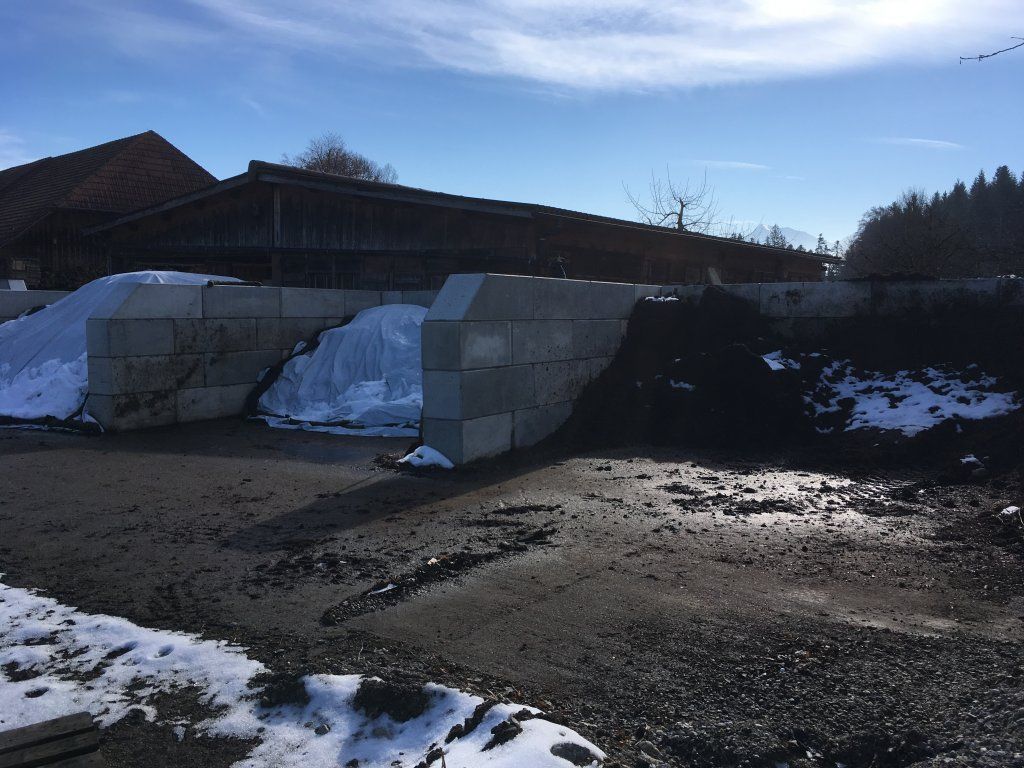
From all our green waste and grass from the green areas, we produce a high-quality compost with EM effective microorganisms.
We do not introduce any commercial or non-commercial farmyard manure!
Promoting soil life
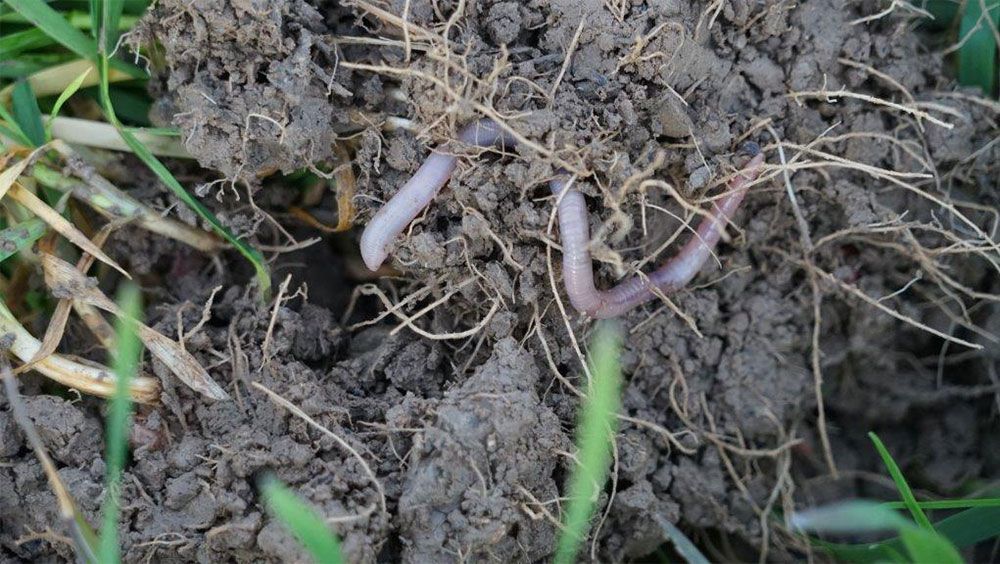
Regular use of EM (effective microorganisms) promotes soil life and creates a stable ecosystem. Furthermore, plant diseases are significantly reduced. All aspects of our cultivation system aim to protect the soil...
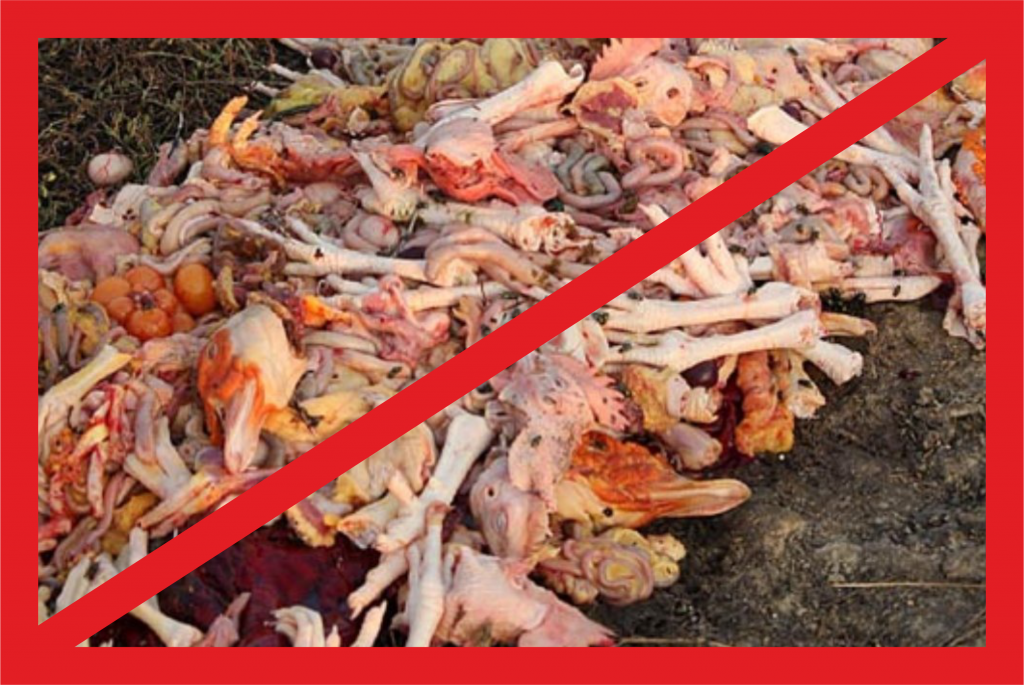
No animal fertilizers
Avoiding fertilizers made from animal slaughter waste results in improved soil and plant health!
And the vegetarians among our customers will likely be equally pleased...
Incidentally, feather meal, horn shavings, etc. are permitted and commonplace as fertilizers in organic farming!
"Don't think for a moment that the horn shavings and feather or hair meal pellets commonly used in organic farming come from animals kept in species-appropriate conditions and peacefully euthanized. Here, 'conventional' organic farming promotes the despicable factory farming practices in distant countries!"
It's worth taking a closer look.
Bernhard Hänni